
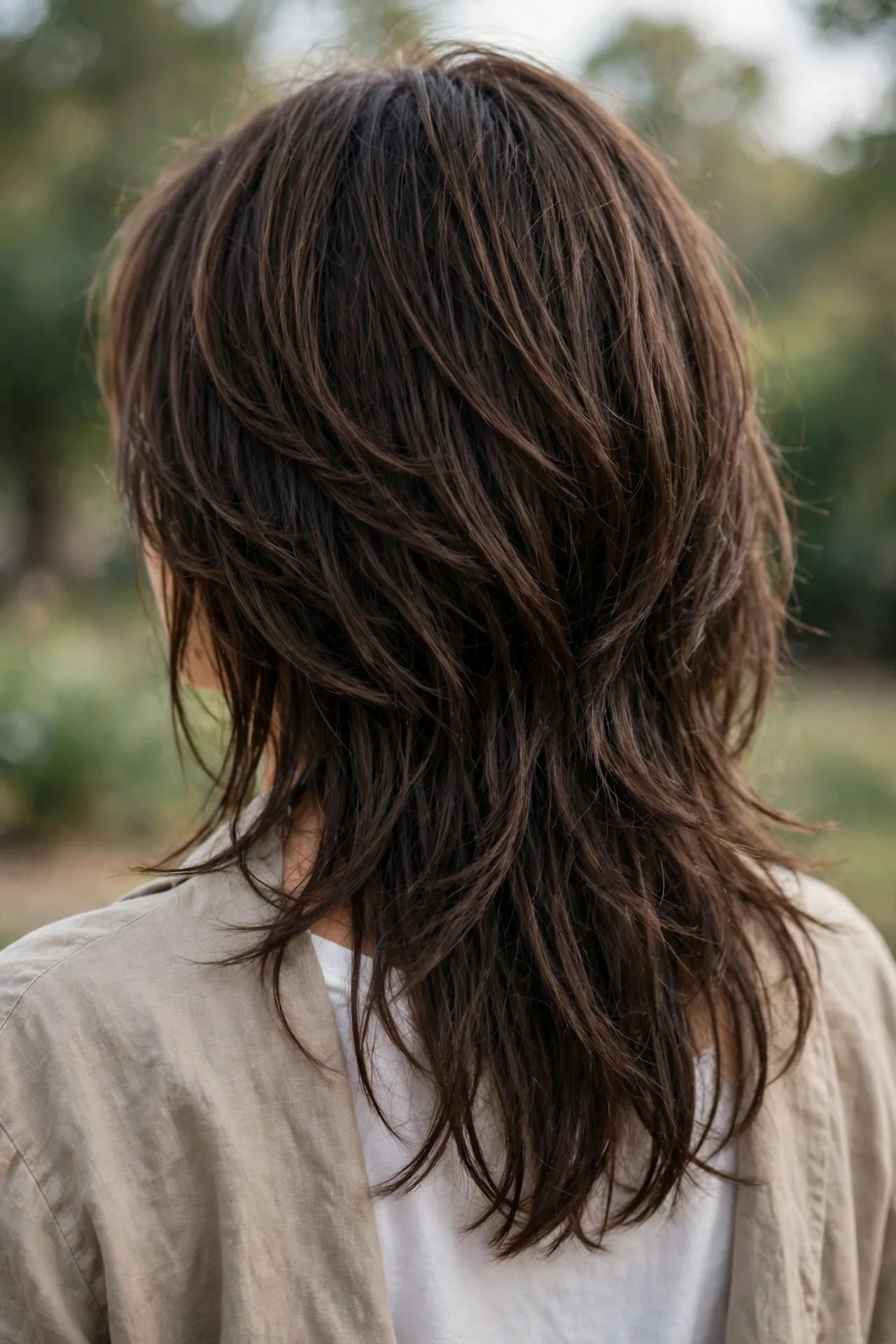
A good haircut for women in 30s starts with three facts: face shape, hair texture, and how much daily styling time is realistic. Cuts that flatter one face shape can overwhelm another, and a style that needs thirty minutes each morning fails quickly on a busy schedule. This guide covers cuts by face shape and hair type, everyday styling routines, and hair color, with links to detailed guides for each cut and style mentioned.
The most useful question at a salon appointment is not the name of a cut, but the description of the result: the length at the front and back, where layers start, how the cut behaves when air dried, and how it grows out over eight to twelve weeks. Bringing reference photos helps, but the photos work best when they show hair with a similar texture and density. A cut photographed on thick, straight hair will behave differently on fine or curly hair, and a good stylist will explain that difference before cutting.
1. Cuts by face shape
Face shape guides which layer placement flatters, because layers control where the eye stops. Face-framing layers that start near the cheekbone soften a longer face, while longer layers that start below the chin keep a rounder face from looking wider. A layered cut works across many face shapes precisely because the layer starting point can move up or down. The butterfly cut uses short, voluminous layers on top with longer lengths underneath, which suits hair that needs movement without losing overall length. The shag uses choppy layers through the crown and ends for texture, which suits hair that falls flat when cut blunt. Curtain bangs, parted in the middle and swept to each side, frame the forehead and blend into longer layers, which makes them a lower-commitment way to change a cut without a full restyle.
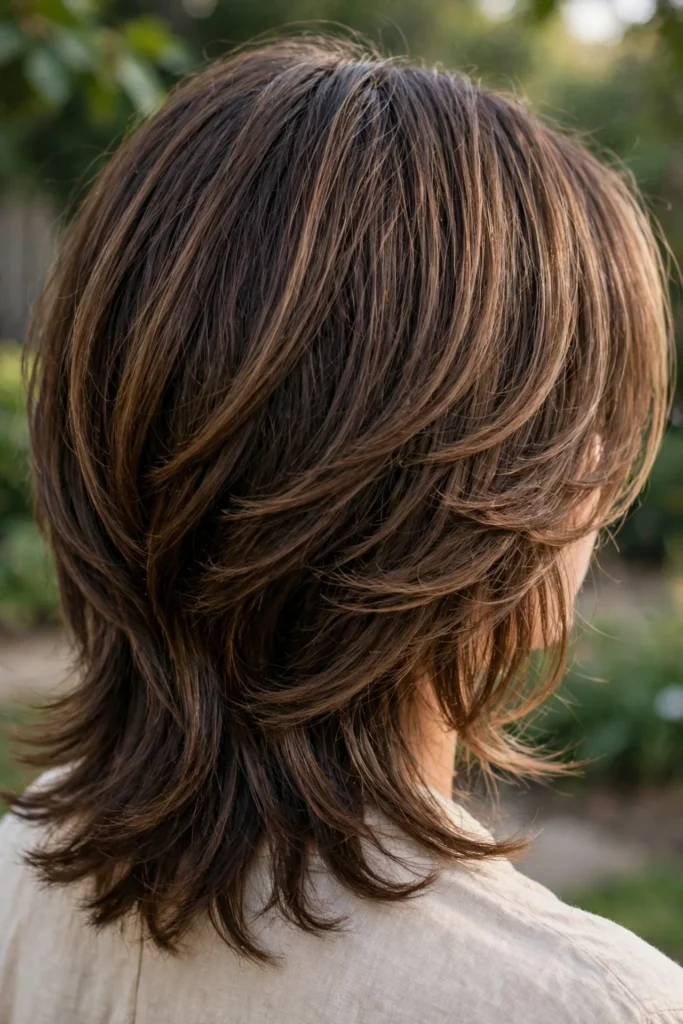
When discussing a cut, ask three things: where the shortest layer will fall, how the cut will look when it grows out, and what styling the cut needs on a normal day. A cut that only looks right with a full blow dry is a different commitment from a cut that air dries well. Write down the answers, since salon details are easy to forget by the next appointment.
Read next:
- Layered haircuts by face shape
- How to layer and style the butterfly cut
- Modern shag haircut styles by face shape and texture
- How to style curtain bangs for every hair type
2. Cuts by hair type and length
Hair type changes how a cut behaves more than any trend does. Fine hair gains visible fullness from blunt ends, shorter layers near the crown, and cuts that end above the shoulder, since weight pulls volume out of fine hair. A volumizing routine for fine hair usually combines the right cut with styling that lifts the root, rather than relying on products alone. Curly hair needs the opposite logic: layers that respect the curl pattern, a cut that accounts for shrinkage when hair dries, and a shape that keeps curls defined instead of triangular. Cutting curly hair dry, or at least discussing how much length disappears when curls dry, prevents the most common curly cut disappointment.
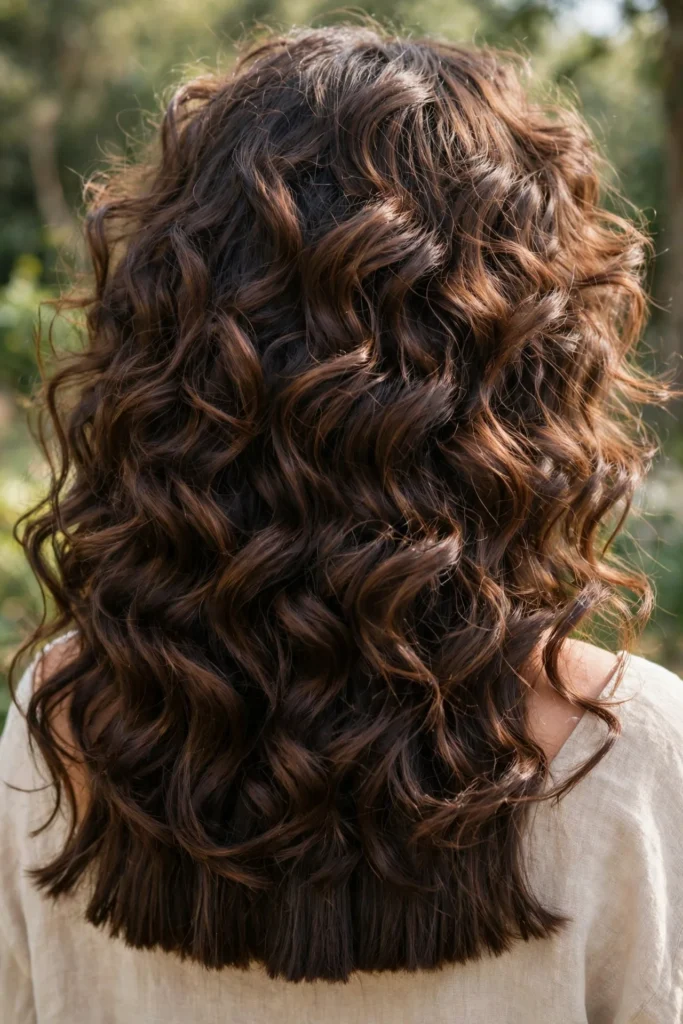
Length is a separate decision from layering. A bob reads polished with minimal effort because the shape does the work, and it suits straight, wavy, and lightly curly hair. Short cuts suit strong features and low-maintenance routines, but they need more frequent trims to hold the shape. Long hair keeps the most styling options, from braids to updos, at the cost of more drying time and more attention to ends. The right length is the one that matches both the face and the weekly routine, not the one that looks best in a single photograph.
Read next:
- Fine hair volumizing hairstyles that add lift
- Curly hairstyles that define curls without frizz
- Bob hairstyles that look polished without effort
- Short haircuts for women, bold and low-maintenance
- Long hairstyles that add movement without upkeep
- Healthy hair growth routine: tips to prevent breakage
3. Everyday styling routines
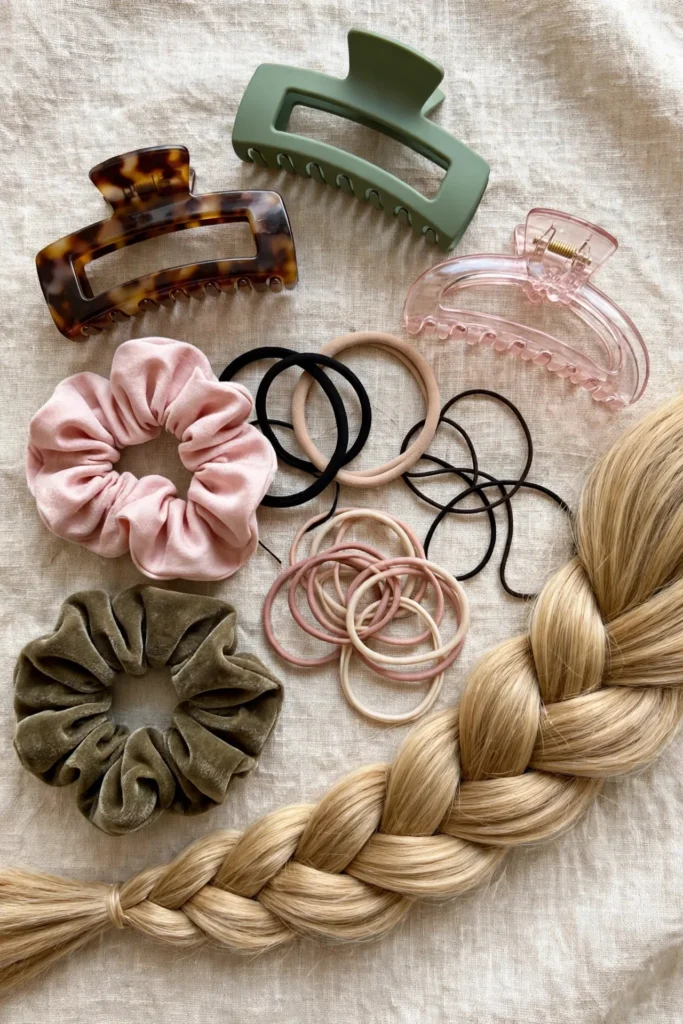
A styling routine that survives real mornings has three qualities: it uses few tools, it works on second-day hair, and it has a fallback version for days when time runs out. Heatless curls fit that test well, since they form overnight and need only a quick finger-comb in the morning. Claw clips give a second option, gathering hair quickly while keeping the style soft rather than scraped back, and they work across straight, wavy, and lightly curly hair. Braids are a third option, holding up through long days and humid weather better than loose styles, and they double as a heatless wave method when taken out later.
Two styles deserve specific notes. A slick back style looks polished when the hair is smoothed with a light product and secured low, but it needs care at the hairline to avoid a scraped or crunchy finish, and it suits days when hair will not be restyled later. Beanie hairstyles solve a different problem, keeping hair presentable under a hat and after the hat comes off, which matters through winter. The common thread is planning for the whole day, not just the mirror moment: a style should still look acceptable at noon, after a commute, and under a hat or hood.
Read next:
- How to get damage-free overnight waves
- Easy claw clip hairstyles for any hair
- Braided hairstyles that stay put from morning to night
- Slick back hairstyles that look polished without crunch
- Beanie hairstyles that still look good when the hat comes off
- 5-minute everyday hairstyles for busy mornings
- Wedding hairstyles: classic updos, waves and braids
4. Hair color and seasonal hair
Hair color changes the maintenance schedule more than the cut does. Copper and warm brown tones, for example, need color-safe washing habits and sun protection to hold their warmth, since warm tones fade faster than cool ones. Before choosing a warm tone, consider the starting hair color, how often salon visits are realistic, and whether the skin undertone suits warmth. A color that needs a salon refresh every four weeks is a different commitment from one that grows out softly, and that difference should be decided before the first appointment, not after.
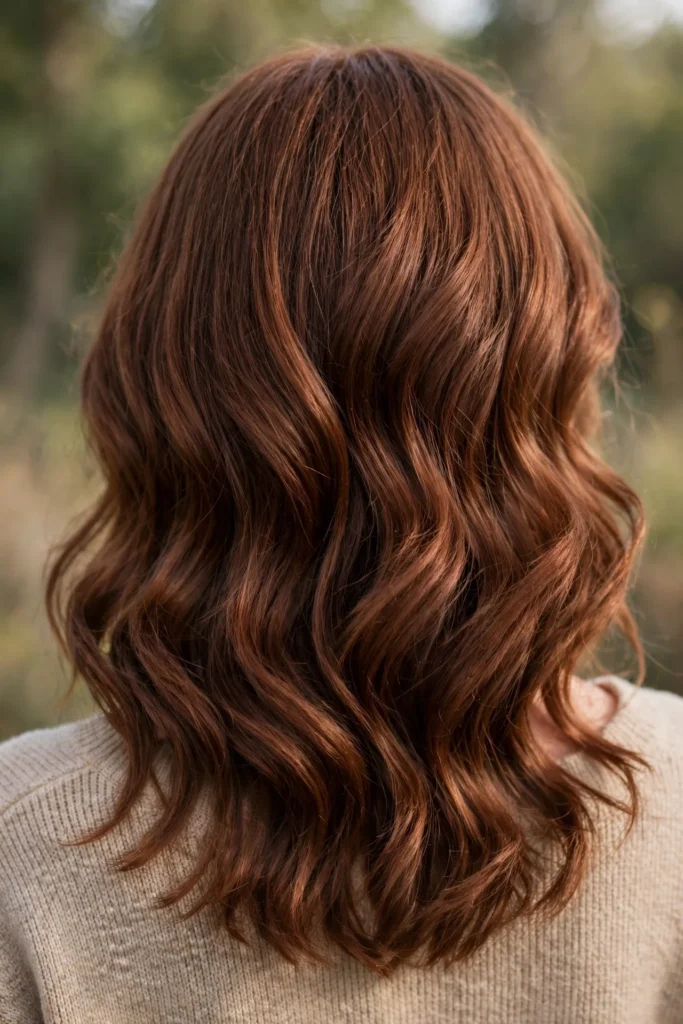
Seasonal hair follows the same logic as seasonal clothing. Fall hairstyles need to work with coats, scarves, and crisp air, which means styles that do not tangle in collars and hold up in wind. Winter hairstyles need to survive wind, hats, and dry indoor air, so moisture care and protective styles matter more than volume. Party hairstyles, such as Christmas party styles, need hold that lasts all evening, which usually means a style set with pins and a finishing product rather than a style that depends on freshly washed volume alone.
Read next:
- Dark copper brown hair ideas that warm up autumn
- Fall hairstyles that work with coats and scarves
- Winter hairstyles that survive wind, hats, and dry air
- Christmas party hairstyles that last all evening
Frequently asked questions
Q: How to choose between layers and a blunt cut?
A: Layers add movement and remove weight, which helps thick hair and long faces. Blunt ends add visible fullness, which helps fine hair. The deciding factor is usually hair density: thick hair benefits from layering, fine hair benefits from a clean, blunt edge.
Q: How often should a haircut be maintained?
A: Short cuts usually need a trim every four to six weeks to hold their shape. Medium and long cuts can stretch to eight to twelve weeks, depending on how the layers grow out and whether split ends appear. The right interval is the one where the cut still looks intentional on an ordinary day.
Q: What should a stylist be told about a routine?
A: State how much time styling gets on a normal morning, whether hair is usually air dried or blow dried, and how often salon visits are realistic. A cut designed for a routine that does not exist will disappoint no matter how good it looks in the salon.
Q: Can fine hair hold curls and volume?
A: Fine hair holds volume best when the cut removes excess weight and styling lifts the root. Heatless methods and root-focused styling tend to last longer on fine hair than heavy products, which can weigh it down.
Q: How to pick a hair color that grows out well?
A: Choose a tone close to the natural color, or a technique that blends the root, such as soft dimension through the lengths rather than a single solid color. Ask the stylist how the color will look after six weeks of growth before committing.
The Bottom Line
The right hairstyle for women in 30s is the one that fits face shape, hair texture, and the real morning routine at the same time. Start with the cut guides for face shape and hair type, build one or two everyday styling routines that survive busy days, and treat color as a maintenance decision, not just a shade choice. The linked guides cover each step in detail.