
📌 At a Glance (Key Takeaways)
- Short haircuts eliminate dead weight, framing facial features and elongating the neck.
- Modern variations include the French bob, textured bixie, Italian blunt cut, and layered pixie.
- Requires less daily drying time while delivering maximum personal style impact.
- Customizable for all hair textures from straight to coily with strategic texturizing.
Cutting your hair short buys you back time every single morning: faster washes, less product, and a freshness through summer that long hair never quite manages. For a lot of women it’s also just satisfying, a clean break from the idea that hair has to be long to count. But the cut only pays off if it suits your face, your texture, and how much upkeep you’re genuinely willing to do, because some short styles need a salon visit every month and others coast for ten weeks.

The styles worth considering
The modern pixie is longer on top, shorter at the sides, with piecey layers you can push in a few directions. It’s a world away from the close-cropped pixies of the past, and you can sweep the top to one side for an asymmetric, dramatic look. The catch is maintenance: it needs a trim every four to six weeks, and a pixie that grows out unattended loses its shape fast. Budget for that before you commit.
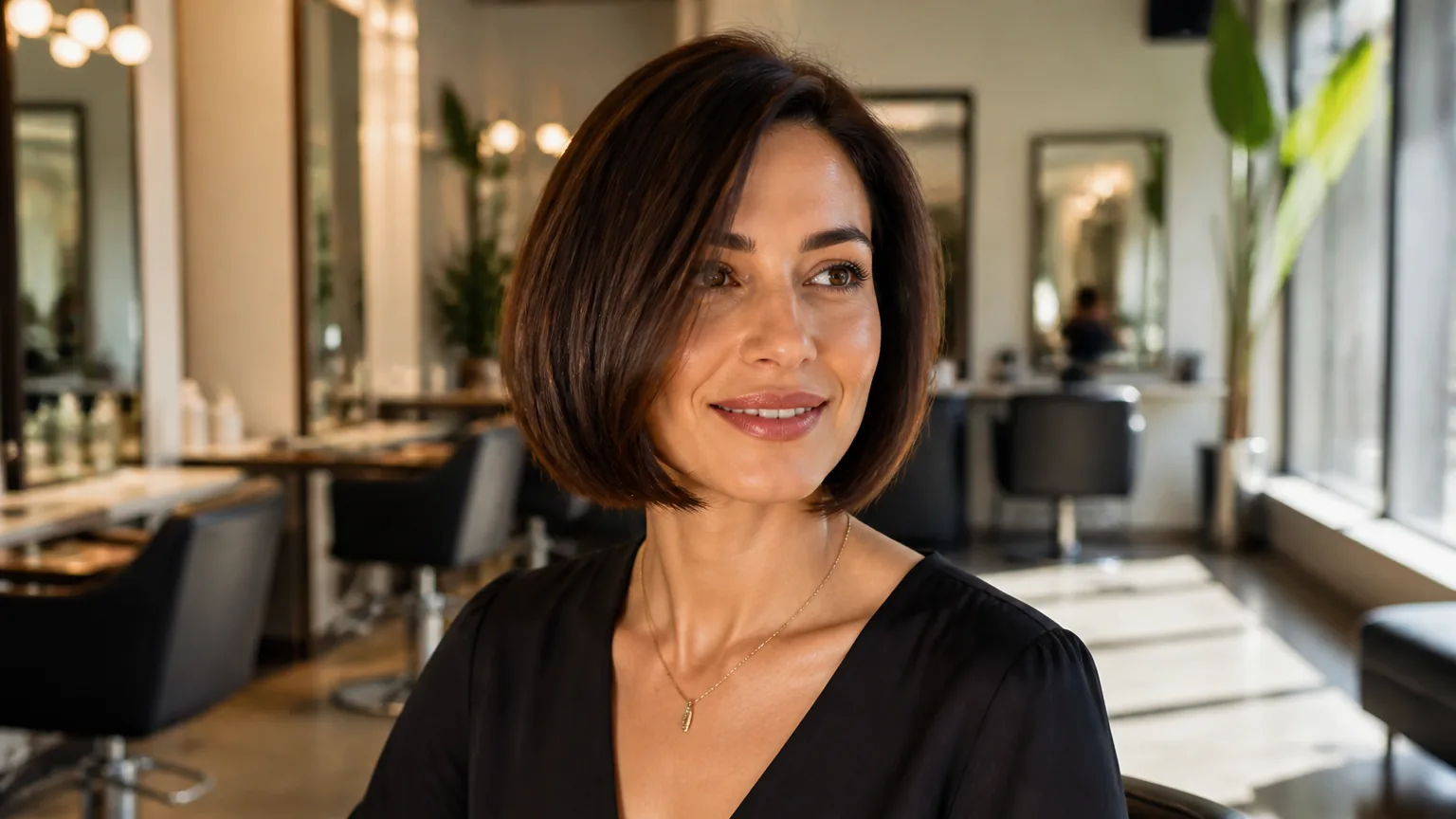
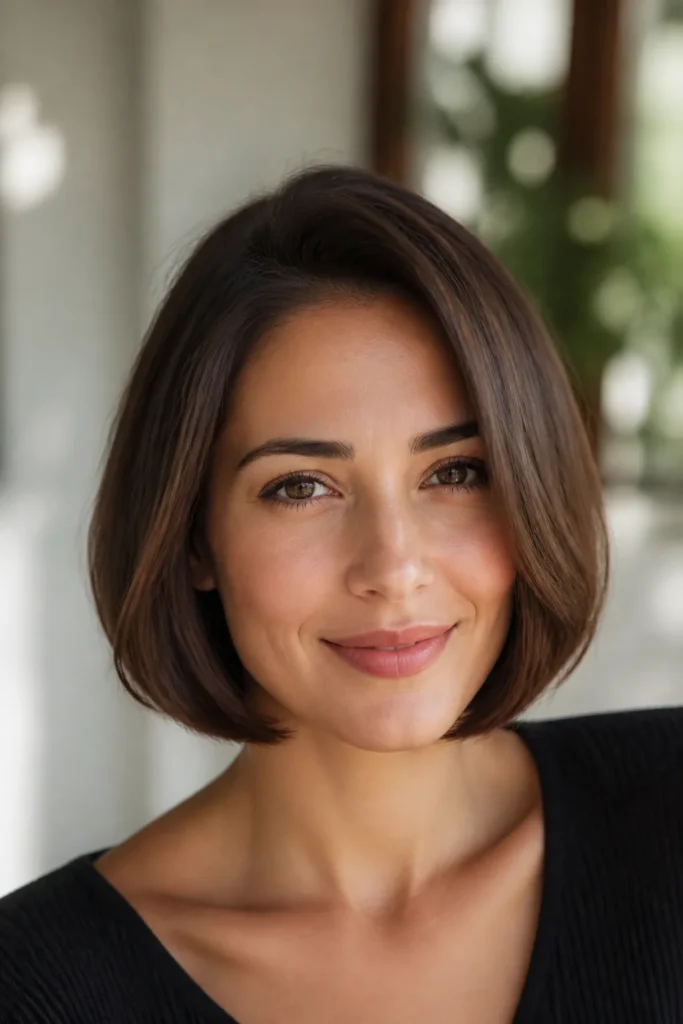
The textured bob hits at the jawline and uses internal layers and point-cutting for movement. It’s the most universally flattering short cut on this list, because it frames the face without exposing the neck and ears, which some people would rather keep covered. It also suits every hair type.
The French bob sits just below the ears, shorter than a standard bob but longer than a pixie, and almost always comes with blunt, eye-grazing bangs. It has an editorial, distinctly European quality and looks especially good on straight or slightly wavy hair.
The curly crop sits close to the head and lets the curl pattern lead. The whole thing depends on finding a stylist who cuts curly hair dry, so the shape is built around how your curls actually fall rather than how they behave soaking wet.
If you’re between short and long, there’s a hybrid worth knowing: the bixie, a pixie-bob cross that keeps cropped volume at the crown and wispy, face-framing length around the ears. It’s a forgiving middle ground and a good pick for thick hair you want to lighten.
- Pixie cuts do best on fine-to-medium hair with a little wave
- Textured bobs suit basically every type and face
- French bobs want straight-to-wavy hair for the blunt effect
- Curly crops need a curl specialist
Styling and upkeep at a glance
| Style | Morning routine | Products | Trim frequency |
|---|---|---|---|
| Modern pixie | 2 min: wax and tousle | Styling wax, light spray | 4-6 weeks |
| Textured bob | 5 min: air-dry or quick diffuse | Sea salt spray, light cream | 6-8 weeks |
| French bob | 5 min: flat-iron bangs, tousle | Heat protectant, smoothing serum | 6 weeks |
| Curly crop | 3 min: scrunch cream, air-dry | Curl cream, gel, microfiber towel | 8-10 weeks |
| Bixie | 3-5 min: matte paste, piece out | Matte pomade or paste | 6-8 weeks |
For a short cut with texture, the styling itself is quick but has a rhythm. Rough-dry towel-dried hair with a dab of light styling cream, tousling against the scalp with your hands on medium heat. Lift the roots at the crown and aim the airflow in the direction your cut wants to sit. Add a few random bends with a mini straightener or a one-inch iron. Then finish with a pea-sized amount of matte paste emulsified between your palms, pieced through the ends around your ears and temples. That’s the whole thing.
A note for anyone with fine hair leaning toward a bob: a blunt, razor-clean perimeter just below the chin reads as denser than a layered version, because all the ends land on one line. Our fine hair guide goes into that trick in more depth.

Before you book
Save ten to fifteen reference photos, and pay real attention to the hair texture in each one, not just the shape. A cut that looks incredible on pin-straight hair behaves completely differently on thick waves. Show your stylist the photos and ask for an honest read on which of them will actually work with your natural texture rather than fighting it.
Going short is one of the more freeing things you can do with your hair. Pick a style that excites you, find a stylist you trust, and enjoy having less to fuss with and more room to see your own face. If you like the idea of short but want it rougher and more lived-in, our modern shag guide covers a shorter shag that hits that note.

Frequently Asked Questions
How do I know if a short haircut will look good on me?
Use the famous 2.25-inch rule: place a pencil horizontally under your chin and hold a ruler vertically under your earlobe. If the distance from ear to pencil is less than 2.25 inches, short hair is mathematically harmonious for your jawline.
Does short hair require more salon visits?
Yes. Because short hair grows noticeably against facial features, maintenance trims every 5 to 7 weeks are necessary to keep the neckline and perimeter crisp.
Can thick or coarse hair work with a short bob?
Yes! Your stylist should incorporate interior weight removal techniques (like undercut panels or channel cutting) to prevent the cut from expanding into an unflattering triangle.
What products are non-negotiable for short hair?
A matte texturizing spray, a lightweight styling paste, and a mini flat iron are the three most essential tools for styling modern short haircuts.
Additional Details
- Description: Thinking about going short? From pixie cuts to textured bobs, these 4 short hairstyles prove that cutting your hair can be the most liberating decision you make.
- Published: 2026-05-11T00:00:00.000Z
- Updated: 2026-09-07T00:00:00.000Z
Images
- (none listed)