Acrylic Nail Trends 2026: Modern Shapes, Colors & Styles
Acrylics offer a creative canvas that gel and regular polish simply cannot match. These are the acrylic trends setting the tone for 2026.
📌 At a Glance (Key Takeaways)
- Modern acrylic manicures favor natural medium lengths, almond silhouettes, and lightweight sculpting.
- 3D chrome accents, milky ombré, and aura designs dominate current salon requests.
- Proper apex construction ensures structural integrity without unnatural bulkiness.
- Regular infills every 2 to 3 weeks maintain nail bed balance and prevent lifting.
Direct Answer: Acrylic nail trends emphasize lightweight structural durability combined with modern minimalist artistry. Leading trends include tapered medium-almond and soft-coffin silhouettes, translucent milky-white bases, 3D chrome swirls, airbrushed aura gradients, and subtle magnetic cat-eye textures that move away from heavy, bulky enhancements.
Acrylic nails offer a creative canvas that regular gel polish simply cannot match. Because acrylics can be sculpted to add length and alter the shape of your natural nail, they open the door to highly dramatic, structural, and artistic designs. Whether you prefer a classic almond shape or an edgy coffin cut, modern acrylic trends are moving away from the thick, bulky nails of the past toward slim, natural-looking, and highly detailed art. This guide explores the most popular acrylic nail shapes, lengths, and art trends setting the tone this season.
The Rebirth of Acrylics: High Tech, Lightweight, and Sculpted
Acrylic nail enhancements—created through the chemical union of liquid ethyl methacrylate monomer and powdered polymer—have undergone an engineering revolution. Bulky, razor-sharp talons have been replaced by anatomically contoured enhancements designed to mimic the natural curve of the nail plate.
Modern nail technicians sculpt acrylics with seamless cuticle flushness and balanced structural apexes, delivering weeks of break-proof strength without placing strain on the underlying natural nail.
Choosing Your Ideal Acrylic Shape & Strength
The foundation of a great set of acrylics is the shape. The right shape can visually elongate your fingers and complement your hand structure:
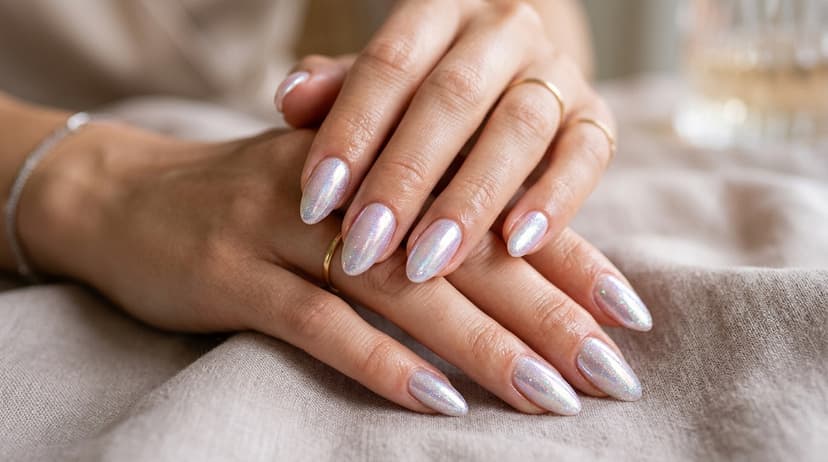
- Almond Shape: Wide at the base and tapering smoothly to a soft, rounded point at the tip. Almond is the strongest architectural shape, distributing mechanical stress evenly down the nail bed while visually elongating the fingers.
- Coffin / Ballerina: Straight tapered sidewalls terminating in a clean horizontal square tip. Coffin nails are bold, modern, and provide a large, flat canvas for intricate nail art.
- Classic Square: Straight sides and a sharp, horizontal tip. Delivers a clean, structural, and modern aesthetic, particularly on medium-length nails.
- Squoval: Blends the flat top of a square with softly rounded corners. Ideal for women who want a strong, typing-friendly perimeter that resists snagging.
- Stiletto: Tapers sharply to an ultra-fine point. A high-fashion silhouette that demands careful handling and regular infills.
Comprehensive Acrylic Shape & Strength Matrix
| Shape | Durability Rating | Best Finger Type | Daily Practicality | Maintenance Level |
|---|---|---|---|---|
| Almond | ⭐⭐⭐⭐⭐ (Maximum) | Short or Wide Fingers | High (Smooth perimeter) | Moderate |
| Squoval | ⭐⭐⭐⭐⭐ (Very High) | Any Finger Type | Maximum (Typing friendly) | Low |
| Coffin / Ballerina | ⭐⭐⭐⭐ (High) | Long, Slender Fingers | Moderate (Corners can snag) | High |
| Square | ⭐⭐⭐⭐ (Strong) | Long Nail Beds | High (Classic silhouette) | Low to Moderate |
| Stiletto | ⭐⭐⭐ (Delicate Tip) | Slender Fingers | Low (Pointed tip requires care) | Very High |
The Top 5 Trendsetting Acrylic Art Styles
Modern acrylics are all about texture, dimension, and mixed media. Here are the top five design directions dominating fashion runways and salon appointments:
1. The Natural Almond Apex
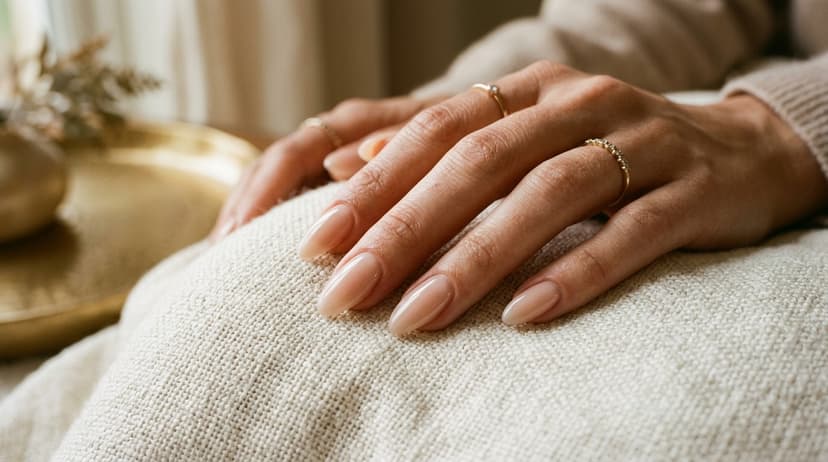
Tapered smoothly along the sidewalls with a soft rounded tip and sculpted translucent blush base. Almond remains the single most requested shape due to its unmatched mechanical resilience and universal finger-lengthening silhouette.
2. Translucent Milky Base with 3D Chrome Textures
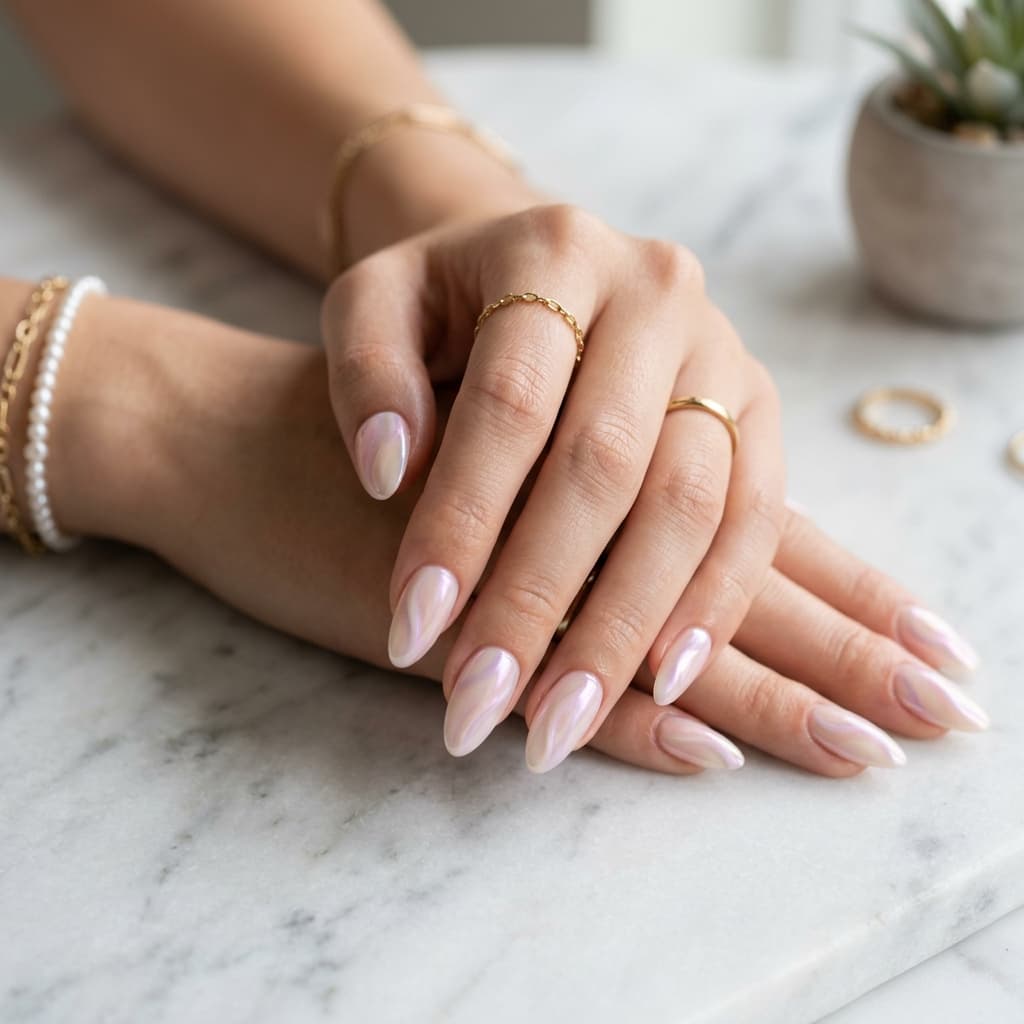
A semi-sheer milky white or blushing nude acrylic core accented with raised 3D clear builder gel swirls coated in iridescent liquid chrome. This creates futuristic, liquid-metal dimension that catches the light from every angle.
3. Airbrushed Aura Gradients
A soft, diffused spherical glow of contrasting color blooming from the center of each nail bed, created using a miniature airbrush gun or blooming gel. Aura nails deliver a dreamy, ethereal aesthetic that feels intensely modern.
4. The Short Tapered Coffin (Ballerina)
Straight tapered sidewalls terminating in a clean horizontal square tip, kept at a practical medium length for everyday typing. This style delivers all the architectural edge of long coffin nails without compromising office productivity.
5. Velvet Magnetic Cat-Eye Overlays
Fine magnetic iron-particle gel layered over custom-blended acrylic powder, manipulated with handheld neodymium magnets to shift under light like spun crushed velvet.
Step-by-Step Maintenance Protocol to Protect Your Natural Nails
Many women hesitate to get acrylics out of fear of damaging their natural nails. However, damage is not caused by the acrylic itself, but rather by improper application, overdue fills, and forced removal:
- Book Infills Every 2 to 3 Weeks: As your natural nail grows, the structural apex shifts forward toward the tip. If left unattended for 4+ weeks, a minor bump can snap the enhancement and tear your natural nail bed.
- Never Pry Them Off: If an acrylic nail starts to lift, do not pull or pry it off. This tears away the dorsal layers of your natural nail. Instead, have them professionally soaked off with acetone.
- Oil Cuticles Twice Daily: Acrylic requires a flexible, hydrated natural nail underneath. Pure cold-pressed jojoba oil penetrates through micro-crevices, keeping the nail plate pliable and preventing separation.
- Wear Rubber Gloves for Cleaning: Household bleach and harsh dish soaps chemically degrade the acrylic polymer, causing brittleness and discoloration.
Salon Technician Care & Longevity Troubleshooting Guide
To ensure your manicure remains flawless, glossy, and chip-free for weeks, follow these professional technician guidelines:
- The Golden 2-Hour Moisture Rule: Avoid submerging hands in hot water, taking long baths, or washing dishes for at least 2 hours after your manicure. Even cured polish benefits from stabilization before prolonged thermal exposure.
- Cuticle Oil Micro-Absorption Science: Apply cold-pressed jojoba and vitamin E oil twice daily directly along the eponychium (cuticle fold) and under the free edge. Jojoba penetrates the keratin matrix, maintaining flexibility so nails bend under pressure rather than snapping.
- Protecting from Chemical Degradation: Common household cleaning sprays, dish soaps, and acetone-containing sanitizers degrade top coat resins. Always wear cotton-lined waterproof gloves when performing wet domestic chores.
- Preventing Mechanical Stress: Never use your fingernails as scraping tools to open soda cans, peel labels, or press buttons. Train yourself to use the pads of your fingers or utility tools to protect the structural apex of your nails.
- Regular Hydration Over Sealing: Keeping cuticles nourished prevents hangnails and lateral wall splits, maintaining healthy nail beds between salon visits.
Summary Checklist: Key Takeaway Action Plan
To put these strategies into immediate practice without feeling overwhelmed, focus on incremental consistency rather than sudden perfection:
- Identify Your Starting Baseline: Choose one core technique or recommendation from this guide that resonates most with your current daily routine.
- Commit for Two Full Weeks: Allow your nails at least 14 continuous days to adapt and respond before making secondary adjustments.
- Track Your Results: Note qualitative improvements in comfort, confidence, and daily ease to confirm that your approach is supporting your personal lifestyle goals.
- Refine as Needed: Revisit this guide whenever seasonal changes, schedule shifts, or personal preferences call for a fresh, elevated styling perspective.
Explore complementary nail art in Wedding Nails Guide and learn how to restore your nails in How to Strengthen Natural Nails.
Frequently Asked Questions
How long do acrylic nails last between salon visits?
A well-applied set of acrylics lasts 2 to 3 weeks before requiring an infill (filling the new growth gap at the cuticle). A complete fresh set should typically be replaced every 3 to 4 months.
Do acrylic nails ruin your natural nails permanently?
No. Acrylic itself does not damage nail keratin. Nail damage is almost entirely caused by improper prep (over-drilling the natural nail with an e-file) or forceful ripping off during removal.
What is the difference between acrylic and builder gel (BIAB)?
Acrylic is a two-part powder-and-liquid system that cures via chemical reaction, creating a rigid structure. Builder gel is an oligomer that cures under UV/LED lamps, offering slightly more flexibility and a gentler soak-off process.
Can I type on a computer keyboard with acrylic nails?
Yes! Medium almond and short squoval shapes are typing-friendly. Train yourself to type with the pads of your fingers rather than tapping nail tips directly against keycaps.