Chrome Nails: How to Get the Glazed Donut Finish at Home
Master the viral glazed donut chrome nail trend at home. From choosing ultra-fine powders to curing times and non-wipe top coats, here is your foolproof tutorial.
📌 At a Glance (Key Takeaways)
- Chrome nails achieve their reflective mirror shine through ultra-fine micronized metallic powder buffed onto a semi-cured non-wipe top coat.
- The secret to a mirror finish instead of a glittery mess is flash-curing your non-wipe top coat for exactly 30 seconds rather than a full 60 seconds.
- Different base shades produce entirely distinct aesthetics—milky white produces the iconic glazed donut look, while nude delivers a warm champagne glow.
- Sealing the free edge with base coat before your final top coat is mandatory to prevent chrome powder from chipping at the tip within 48 hours.
Direct Answer: Chrome nails are created by burnishing ultra-fine micronized mica or synthetic metallic powders onto a partially cured, non-wipe gel top coat. Unlike traditional glitter polish which suspends individual particles in clear lacquer, chrome powder particles interlock seamlessly when buffed with friction, creating a continuous, ultra-reflective mirror or pearlescent glazed finish.
The Evolution of the Chrome Manicure: From Heavy Silver to Pearlescent Glaze
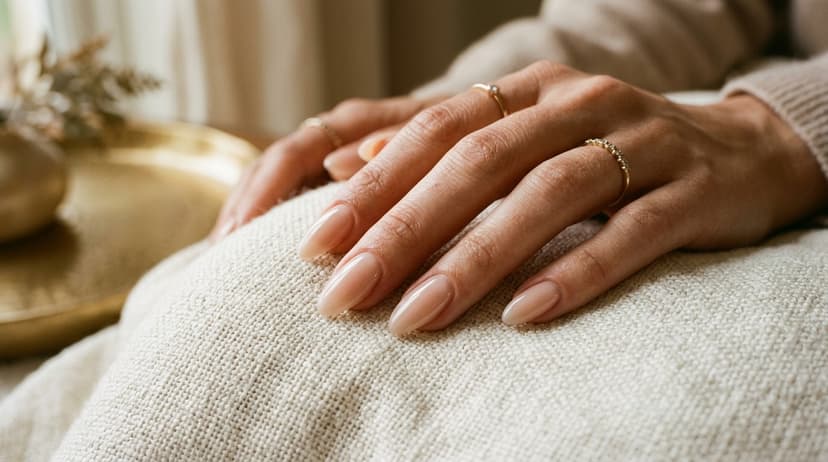
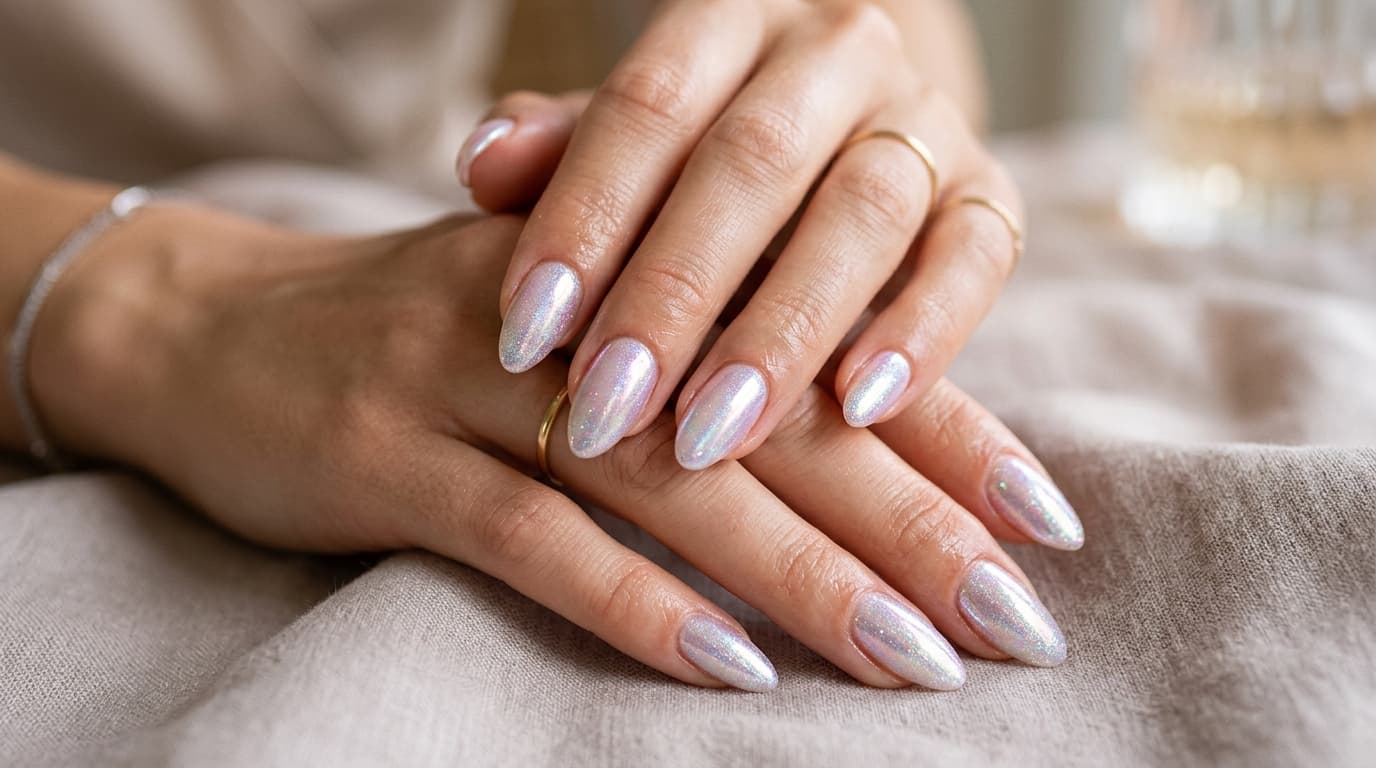
Chrome nails have transitioned from an edgy, futuristic salon novelty into an everyday luxury staple. While early chrome trends favored intense, liquid-mercury silvers and high-voltage golds, the modern aesthetic—popularized worldwide as the "glazed donut" manicure—focuses on ethereal, pearlescent iridescence. This contemporary iteration combines a clean, sheer neutral base with a soft white or aurora chrome overlay, resulting in a finish that catches the light like fresh porcelain or blown glass.
The enduring popularity of chrome lies in its visual depth. Rather than appearing as a flat color, light refracts through the semi-transparent powder, highlighting the natural curves and architecture of your nail shape. Whether paired with short, clean squoval nails or elongated almond tips, chrome provides an instant touch of high-fashion refinement.
Base Color Formulations: How to Customize Your Chrome Finish
The underlying base color completely transforms the optical outcome of chrome powder. By switching your base gel polish, a single jar of white pearl chrome can generate multiple distinct finishes:
| Base Shade | Chrome Powder Type | Resulting Effect | Ideal Occasion |
|---|---|---|---|
| Sheer Milky White | Pearl White / Aurora Powder | Iconic "Glazed Donut" (Clean, soft opalescence) | Everyday luxury, minimalist chic |
| Warm Sheer Nude | Champagne Gold Chrome | Sun-Kissed Cashmere Glaze | Autumn styling, transitional outfits |
| Soft Baby Pink | White Chrome Powder | Rose Quartz / Ballerina Sheen | Bridal, spring aesthetics, romantic |
| Deep Espresso / Black | Holographic / Metallic Silver | Liquid Obsidian Mirror | Evening wear, bold winter statements |
| Pastel Peach / Coral | Golden Aurora Powder | Sunset Nectar Iridescence | Summer vacations, festival fashion |
For complementary bridal and romantic ideas, explore our curated guide to Wedding Nail Ideas for Every Bride and see seasonal inspirations in Summer Nail Ideas Trending Now.
The Essential Tool Checklist for Salon-Quality DIY Chrome
Before starting your manicure, gather the exact tools professional nail artists use. Attempting chrome without the correct formula of top coat is the number one reason DIY attempts fail:
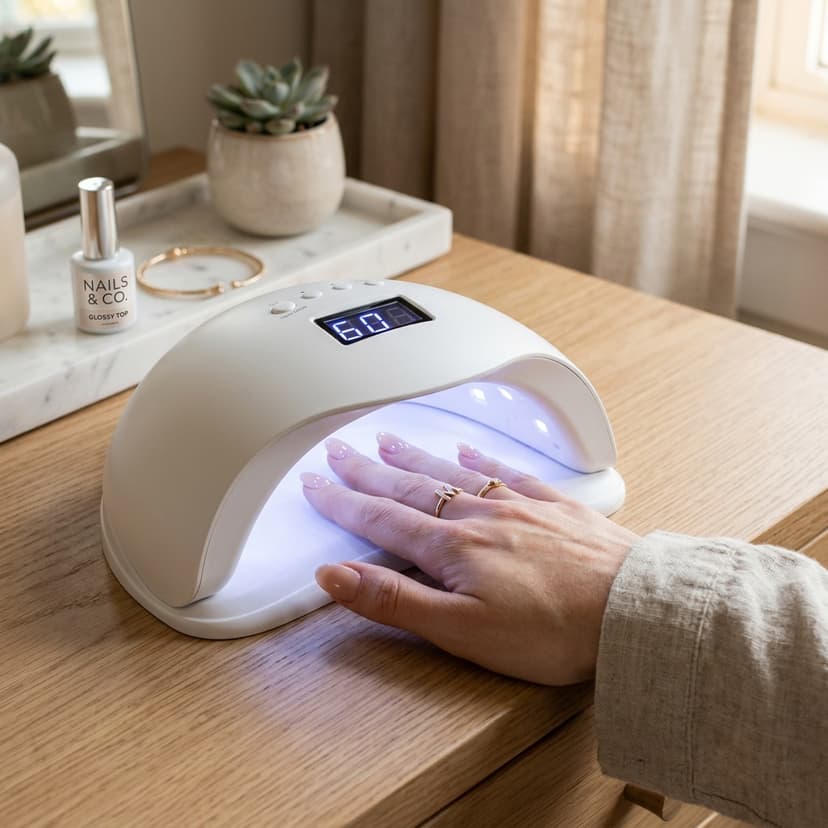
- LED / UV Curing Lamp: A lamp with at least 36 watts of power and consistent 365+405nm wavelengths to ensure predictable cure times.
- True Non-Wipe Gel Top Coat: Crucial: Standard top coats leave an oily, sticky dispersion layer that dissolves chrome powder into muddy streaks. Only "no-wipe" formulas provide the glass-like tackiness required for burnishing.
- Micronized Pearl or Aurora Chrome Powder: Look for powders milled to 10 to 15 microns. Coarser cosmetic glitters will never create a continuous reflection.
- Silicone Applicator Tool or High-Density Eyeshadow Sponge: Silicone tools generate ideal friction without shedding fuzz or lint onto the tacky surface.
- Ultra-Soft Dusting Brush: A plush fan brush or kabuki brush to sweep away loose powder particles before top-coating.
Step-by-Step Glazed Donut Protocol: The 30-Second Rule
The most critical factor in chrome application is timing your cure. Follow this chronological protocol to eliminate patchy spots and glittery textures:
Step 1: Base Color Application
Begin with clean, prepped natural nails or builder gel. Apply your chosen sheer base shade (e.g., one thin coat of sheer milky white). Cure completely for 60 seconds under your LED lamp. If you desire slightly more opacity, add a second micro-thin coat and cure for another 60 seconds.
Step 2: The Critical Flash-Cure of Non-Wipe Top Coat
Apply a smooth, even layer of non-wipe top coat across the entire nail plate. Do not cure for the standard 60 seconds. Instead, cure for exactly 25 to 30 seconds (depending on your lamp's wattage).
- Why? At 30 seconds, the top coat is semi-cured and warm, offering microscopic surface tension that grabs the chrome powder. At 60 seconds, the surface cross-links into a diamond-hard, completely slick surface that repels the powder, leaving a patchy glitter texture.
Step 3: Burnishing the Chrome Powder
Dip your silicone applicator or sponge into a tiny amount of chrome powder—a microscopic pinch is sufficient for two nails. Starting at the center of the nail, rub the powder in firm, circular and back-and-forth motions. Watch as the cloudy powder instantly transforms into a seamless, reflective glass surface.
Step 4: The Clean Sweep
Using a plush dusting brush, vigorously sweep away any excess loose powder from the nail plate, sidewalls, and surrounding skin. Any stray pigment left on the surface will contaminate your top coat bottle and create micro-streaks.
Step 5: The Adhesion-Locking Secret (Preventing Tip Peeling)
Chrome powder is an inorganic dust that prevents gel polish from adhering to gel polish. To ensure your chrome manicure lasts three full weeks without chipping at the free edge:
- Take a fine 240-grit buffer and lightly bevel the very edge of the free edge at a 45-degree angle, exposing a hairline fraction of the underlying cured gel.
- Paint a micro-thin layer of gel base coat over the chrome, ensuring you cap the free edge completely. Cure for 30 seconds. Base coat contains bonding resins that adhere to chrome and lock it in place.
- Finish with a final, generous coat of non-wipe gloss top coat, capping the tip meticulously. Cure for a full 60 seconds.
Seasonal Adaptations: Chrome Across Spring, Summer, Fall & Winter
While glazed donut chrome is an undisputed year-round favorite, adapting the underlying undertones to seasonal light conditions elevates the manicure from trendy to editorial:
- Spring Dew Chrome: Layer aurora chrome powder over a sheer pastel lavender or soft peach base. In bright diffuse spring sunlight, this generates a delicate iridescent rainbow sheen that mimics morning dew drops on flower petals.
- High-Summer Bronze Glaze: Swap cool silver powders for warm golden chrome burnished over a sheer caramel or toasted honey jelly base. This creates a sun-drenched, molten-metal aesthetic that complements bronzed skin tones and warm gold jewelry.
- Autumn Velvet Smoke: Apply a graphite or champagne chrome over a rich taupe, olive, or cocoa brown base. The warm autumnal pigments tone down the intensity of the reflection into a rich, antique satin luster.
- Winter Frosted Glass: Pair silver-white chrome over an ultra-pale slate gray or sheer milky blue. In crisp winter light, the finish resembles ice crystals on frozen window panes, providing an elevated festive statement without loud holiday glitter.
Professional Nail Technician Tips for Edge Durability
To ensure chrome enhancements withstand heavy keyboard typing, dishwashing, and gym workouts, master these salon-grade retention techniques:
- The Double Top-Coat Technique: Always sandwich your chrome layer between a thin coat of structural builder or rubber base and your final stain-resistant top coat. This dual-capping shields the delicate metallic pigments from direct friction abrasion.
- Alcohol Cleanse Post-Cure: After curing your final top coat for a full 60 seconds, wait at least 60 seconds for the gel polymer bonds to cool before cleansing with isopropyl alcohol. Cleansing hot top coats creates thermal shock micro-cracking that dulls the mirror gloss.
- Daily Cuticle Nourishment: Apply pure cold-pressed jojoba oil to the eponychium and underneath the free edge nightly. Keeping the natural nail plate hydrated prevents it from drying, contracting, and pulling away from the cured gel structure.
Common Chrome Mistakes & How to Troubleshoot Them
- Issue: Powder Won't Stick and Wipes Off
- Cause: You over-cured the non-wipe top coat (e.g., left it under the lamp for 60+ seconds).
- Fix: Reapply a thin layer of top coat and reduce your lamp timer to 25 seconds.
- Issue: The Chrome Looks Dull and Clouded After the Final Top Coat
- Cause: Using an aggressive solvent wipe or using a top coat with alcohol ingredients that dissolve the delicate chrome leafing.
- Fix: Use a dedicated non-wipe top coat and avoid touching the surface until it cools for 60 seconds post-curing.
- Issue: Tiny Specks and Dimples in the Reflection
- Cause: Dust particles in your workspace or lint from a cotton pad settling on the top coat before curing.
- Fix: Work in a clean, draft-free room and inspect each nail under bright task lighting before inserting into the lamp.
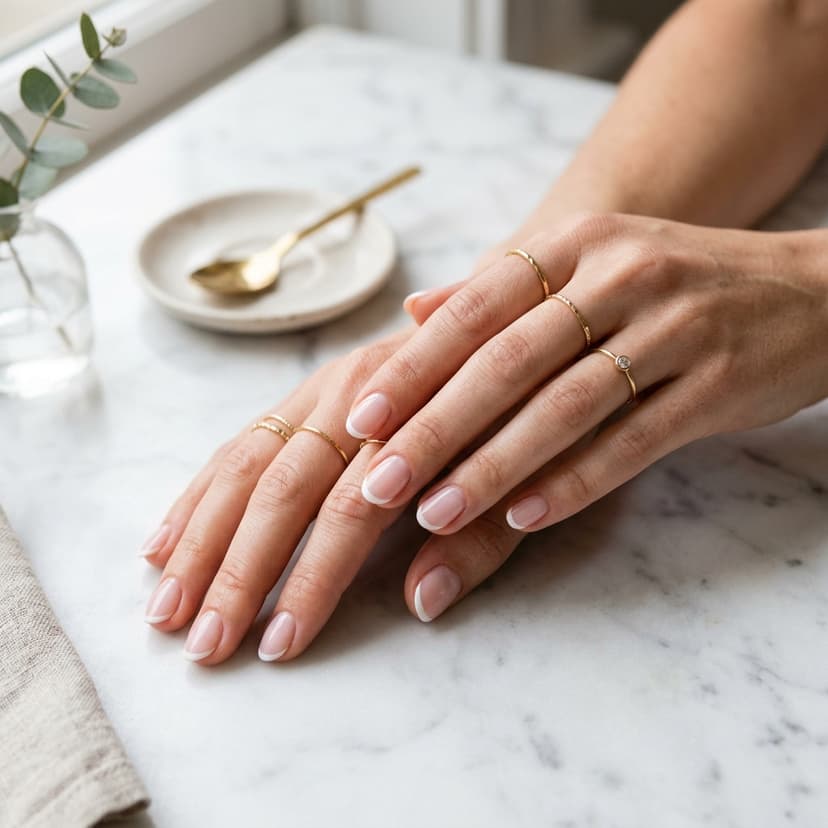
For more classic nail inspirations, discover our step-by-step tutorial on French Tip Nails: Modern Variations on the Classic Look and explore our seasonal guide to Fall Nail Colors: The Trendiest Shades This Season.
Frequently Asked Questions
Why does my chrome powder look glittery instead of smooth like glass?
Glittery chrome is caused by an over-cured top coat or low-grade powder. If you cure your non-wipe top coat for a full 60 seconds, the surface becomes too slick and hard for the microscopic pigments to burnish flat. Reduce your cure time to 25–30 seconds.
Can you apply chrome powder over regular air-dry nail polish?
Traditional air-dry polish dries by solvent evaporation and lacks the tacky-yet-firm molecular surface needed to buff chrome pigment flat. While water-based peel-off coats exist, an LED/UV gel system with a non-wipe top coat is required for an authentic mirror finish.
Why do my chrome nails start peeling from the tips after two days?
Chrome powder is an ultra-fine dry pigment that disrupts adhesion between gel layers. If you buff powder over the very edge of the nail, your final top coat cannot bond to the layer beneath. You must gently file the free edge and cap it with base coat before final top-coating.
What is the best base color for Hailey Bieber glazed donut nails?
The classic glazed donut finish requires a sheer, translucent milky white gel polish (such as OPI Funny Bunny or a thin milky builder gel). The white gives a clean base without overpowering the iridescent pearl reflection of the chrome.