Butterfly Haircut: How to Layer and Style the 90s Cut
The butterfly haircut combines bouncy 90s blowouts with modern face-framing layers. Here is how to ask your stylist for it and style it at home.
📌 At a Glance (Key Takeaways)
- Combines chin-grazing front layers with long, cascading perimeter layers for optical short-hair illusion.
- Best suited for medium-to-dense hair textures with natural waves or straight patterns.
- Requires a 10-minute round brush or velcro roller blowout to achieve signature 90s bounce.
- Maintains overall length while framing cheekbones and softening square or round face shapes.
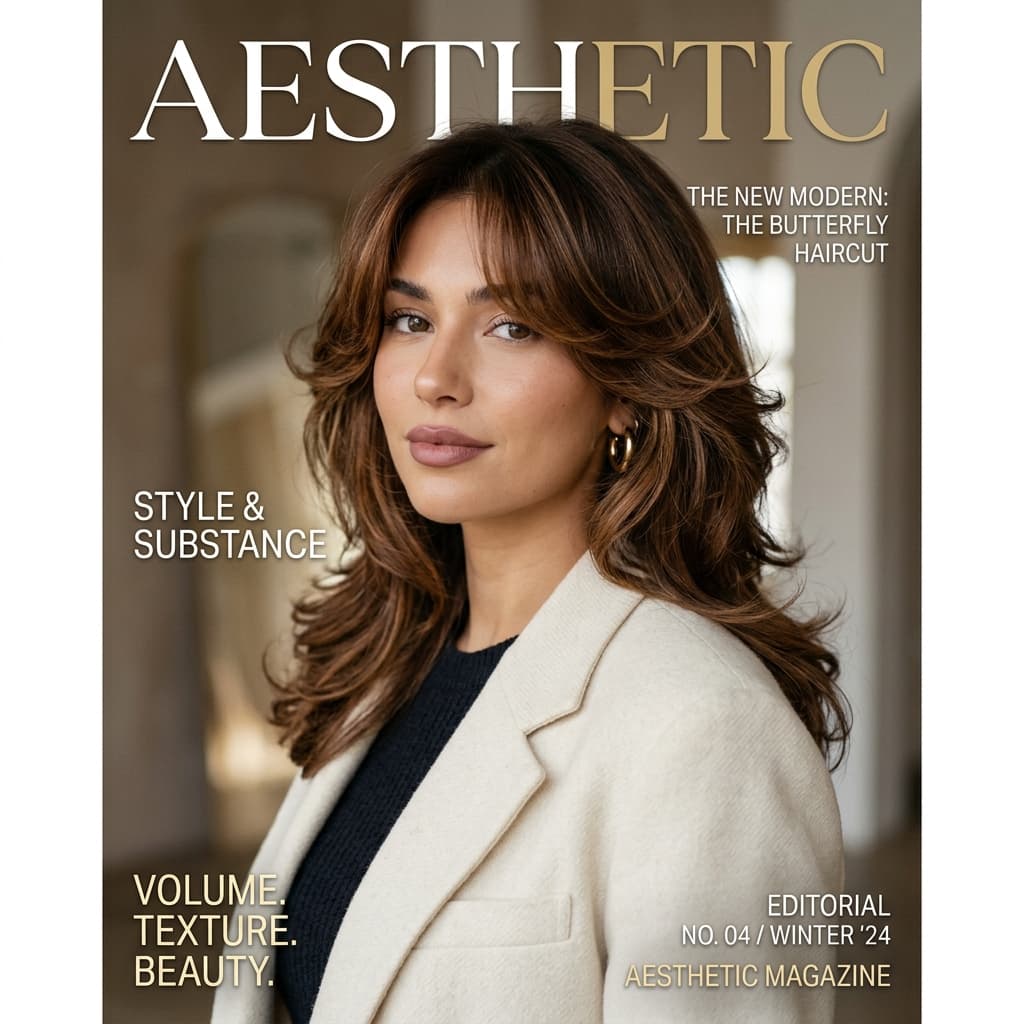
Direct Answer: The butterfly haircut is a layered cutting technique featuring short, face-framing layers cut at chin and cheekbone level combined with longer, feathered layers through the back. This dual-layer architecture creates the visual illusion of a short lob when pinned back, while maintaining overall hair length and adding dramatic 90s supermodel volume.
The Viral 90s Revival: Mastering the Butterfly Haircut
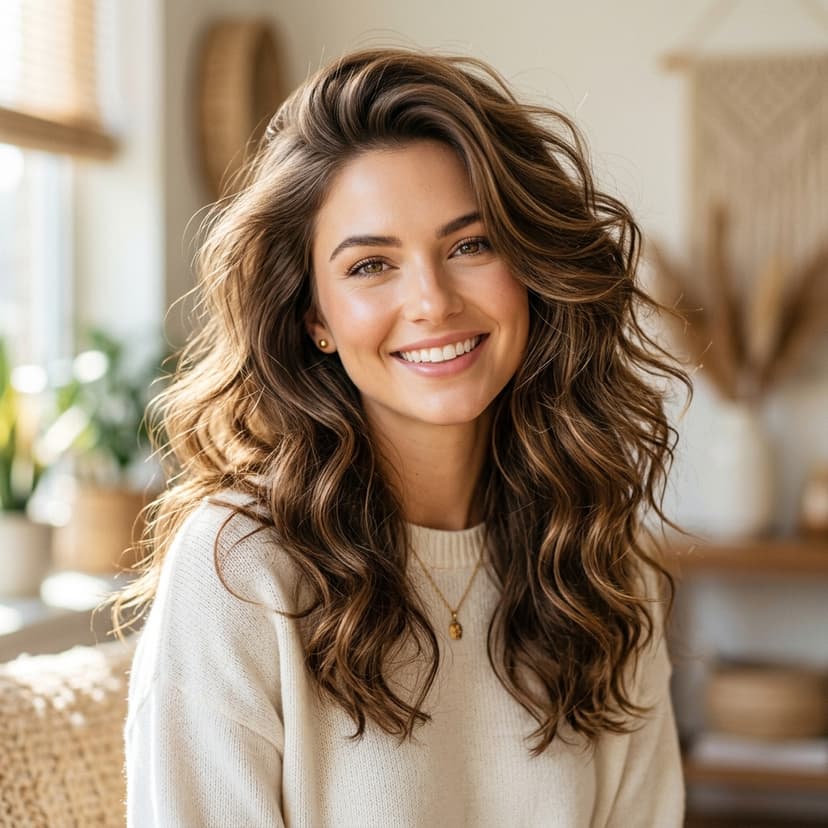
The butterfly haircut has officially cemented its status as one of the most requested salon cuts of the decade. Named for the way its wispy, cascading layers resemble the flutter of delicate wings, this style masterfully blends the dramatic volume of a 90s supermodel blowout with the effortless movement of modern shag cuts. If you crave the illusion of a short haircut without sacrificing your overall length, the butterfly cut is your dream match.
The defining characteristic of a true butterfly cut is its heavy two-tier layering system. Short, face-framing layers cut around the chin and cheekbones create the appearance of a chic lob when pinned back, while longer, feathered layers fall gracefully over the shoulders. This clever optical illusion allows for unmatched versatility—giving you the movement of short hair with the ponytail functionality of long hair.
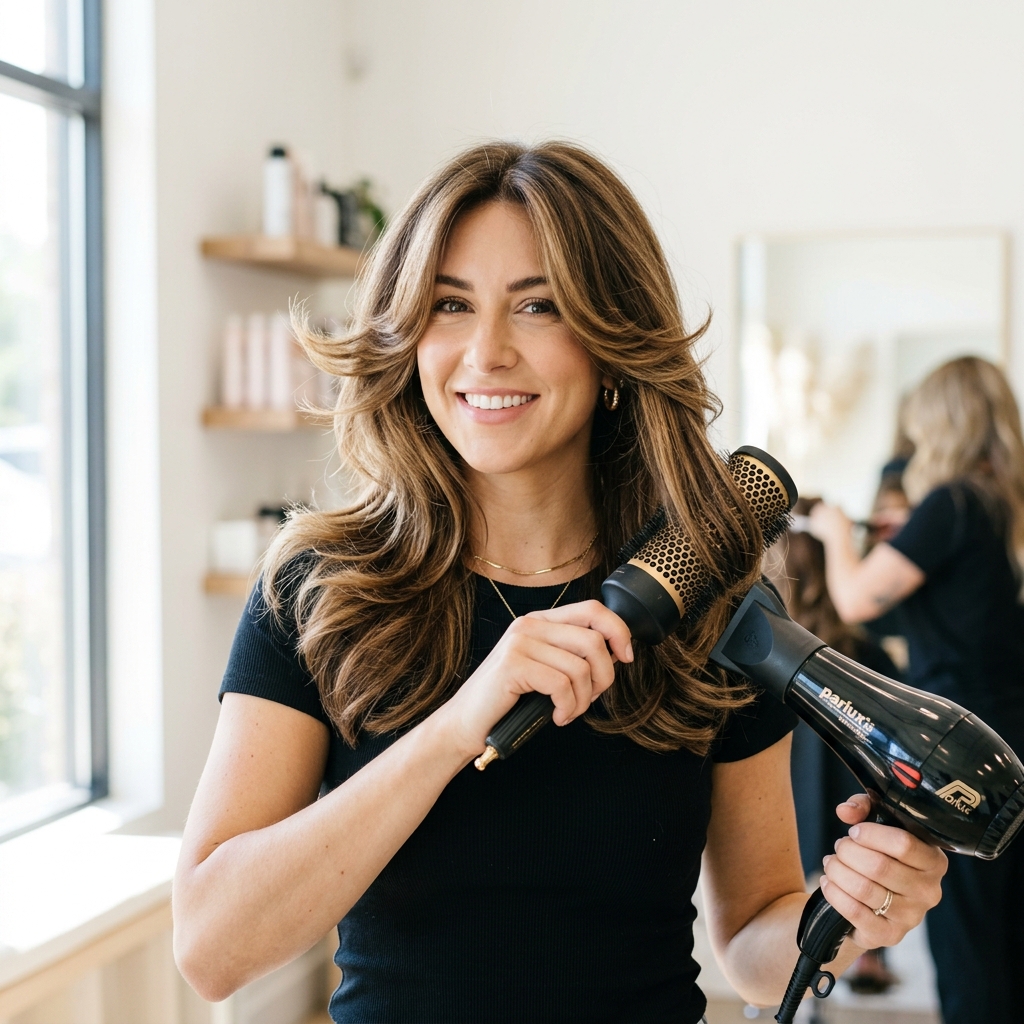 Styling a butterfly haircut with a round brush and blow dryer for 90s volume
Step 1: Who Does the Butterfly Haircut Work Best For?
Before scheduling your salon appointment, it helps to understand how the butterfly cut adapts to different hair textures and face shapes.
1. Hair Density & Texture
- Medium to Thick Hair: This is the absolute ideal candidate. Thick hair carries the weight necessary to prevent thin, stringy ends, creating lush, cascading wings of volume.
- Wavy & Straight Hair: Straight hair highlights the precise, feathered lines of the layers, while natural waves enhance the airy, effortless texture.
- Fine Hair: Fine-haired women can still wear a butterfly cut, but the layers must be kept longer and softer to avoid thinning out the bottom perimeter.
2. Face Shape Harmony
- Round & Square Faces: The chin-length front layers act as a visual contour, softening strong jawlines and elongating the neck.
- Oval & Heart Faces: The feathered layers frame the eyes and cheekbones, highlighting your natural bone structure.
Step 2: What to Ask Your Stylist For
Navigating salon terminology can be tricky. To make sure you leave the salon with an authentic butterfly haircut rather than standard long layers, bring clear visual references and ask for these specific cutting techniques:
- Short, Framing Top Layers: Request chin-length to collarbone-length layers starting around the face to create the top "wing" effect.
- Seamless Blended Transition: Emphasize that you want the short front layers to seamlessly cascade into the longer back layers without harsh disconnects.
- Point-Cut Texture: Ask your stylist to point-cut the ends to remove blunt weight, giving the layers light, feathery movement.
- Curtain Bangs: Pair the look with long curtain bangs that sweep past your cheekbones for the signature 90s silhouette.
If you are curious about framing bangs, check out our complete breakdown on How to Style Curtain Bangs for Every Hair Type.
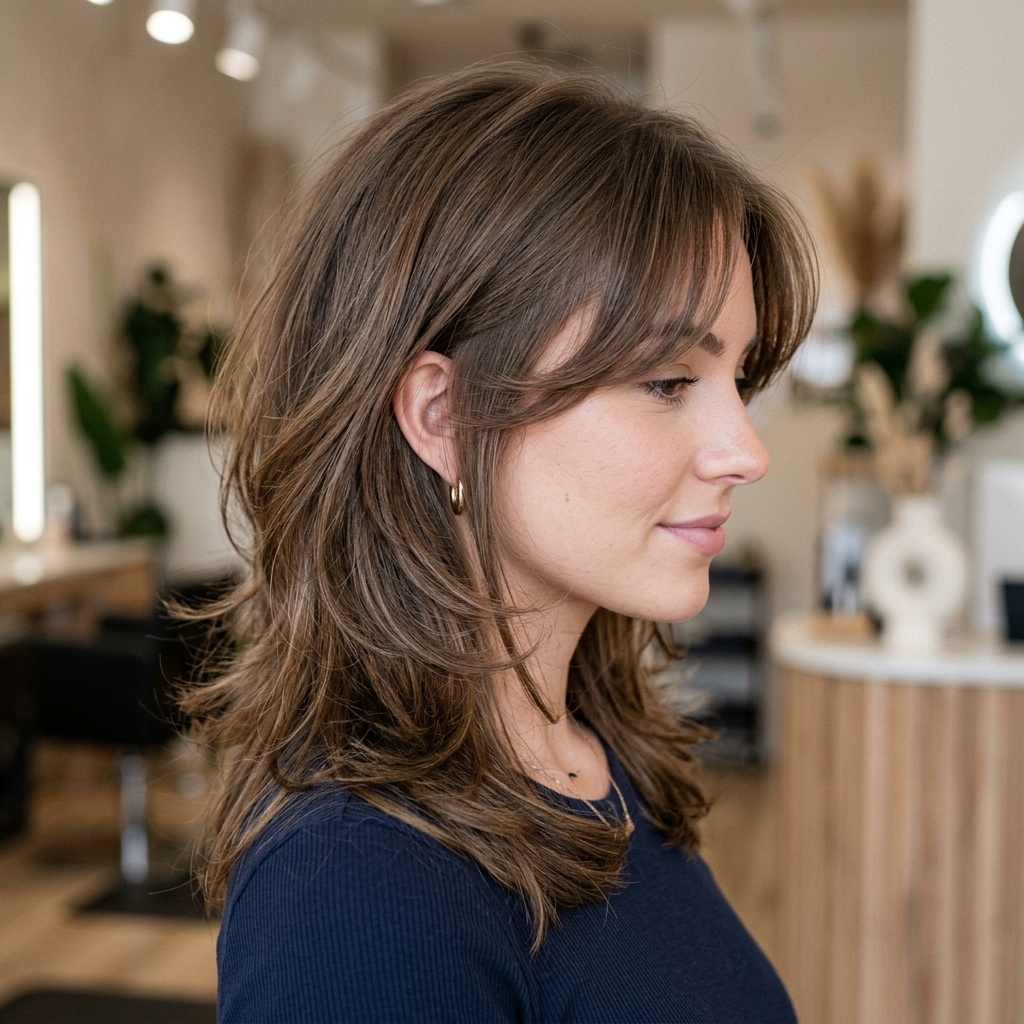 Side profile view of soft layered butterfly haircut with curtain bangs
Butterfly Haircut vs. Other Trending Cuts
| Feature | Butterfly Haircut | Wolf Cut | Classic Layered Cut |
|---|---|---|---|
| Vibe | 90s Glam, Voluminous, Feminine | Edgy, Rocker, Shaggy | Classic, Subtle, Blended |
| Top Layer Length | Chin to Collarbone | Short Crown Layers | Mid-Length Blended |
| Volume Distribution | Concentrated around cheekbones & roots | Heavy volume at crown | Even distribution |
| Styling Effort | Medium (Requires round brush blowout) | Low (Air-dry friendly) | Low to Medium |
For a comparison of modern textured cuts, read our visual guide on The Modern Shag Haircut: Who It Works For.
Why the Butterfly Haircut Dominates Modern Hair Trends
Unlike traditional blunt cuts or heavy shags, the butterfly cut relies on precision interior weight removal. By carving out shorter layers around the crown and cheekbones, stylists remove dragging downward weight without thinning out the baseline perimeter. This ensures your ponytail stays full and functional, while loose hair exhibits multi-directional bounce and movement.
When evaluating hair trends, the butterfly cut bridges the gap between retro glam and effortless low-maintenance wear. If you want maximum movement without committing to a dramatic chop, this versatile silhouette provides the perfect transitional style.
Step-by-Step Salon Consultation Protocol
To ensure your stylist delivers a genuine butterfly cut rather than conventional face-framing layers, follow this exact consultation dialogue:
- Establish the Shortest Interior Anchor: Point to your cheekbone or chin and request that the shortest framing layer starts here to define the top "wing."
- Specify Perimeter Length Preservation: Clarify that you want the overall bottom perimeter to remain blunt and thick, with only soft point-cutting at the tips.
- Ask for Slide-Cutting Technique: Request curved slide-cutting or feathering down the face line to avoid harsh, blocky shelf steps.
- Clarify Crown Texturizing: Ask for subtle crown layering to generate natural root lift without creating a choppy mullet shape.
In-Depth Styling Routine: The 15-Minute Salon Blowout at Home
To recreate salon-grade volume without professional assistants, use this structured heat-styling method:
- Root Preparation: Apply a nickel-sized amount of thermal styling mousse and a dedicated root-lifting spray to damp roots (70% dry).
- Over-Direction Blow-Drying: Using a 2-inch ceramic round brush, lift sections of hair upwards at a 90-degree angle from your scalp. Direct the airflow from underneath to lock in root elevation.
- Curling the "Wings": Roll the front chin-length sections forward toward your face, then flick the brush backward at the very end to create the winged flick.
- Setting with Jumbo Velcro Rollers: Immediately wrap the hot sections around 2.5-inch velcro rollers and secure with duckbill clips. Allow them to cool completely for 10–15 minutes while your hair cuticle sets.
- Finger-Combing & Texture Lock: Gently remove rollers, flip your head forward, shake out the roots with your fingertips, and apply a light mist of dry texturizing spray under the layers.
Styling Temperature & Tool Guide by Hair Texture
| Hair Texture | Ideal Tool | Temperature Setting | Recommended Product |
|---|---|---|---|
| Fine / Color-Treated | 1.5-inch Ceramic Round Brush | 300°F – 320°F (Low Heat) | Weightless Volumizing Foam |
| Medium / Normal | 2-inch Tourmaline Round Brush | 350°F (Medium Heat) | Thermal Heat Protectant Spray |
| Thick / Coarse | 2-inch Titanium Barrel Iron | 380°F (Medium-High Heat) | Smoothing Blowout Balm |
| Curly / Textured | Diffuser + Blow-Dryer Brush | Medium Heat + Cool Shot | Nourishing Leave-In Cream |
Common Mistakes to Avoid with a Butterfly Cut
- Over-Thinning Fine Hair: If your hair is fine or thin, aggressive thinning shears will make the bottom perimeter look wispy and sparse. Insist on blunt perimeter ends.
- Skipping the Cool-Down Step: Hot hair has flexible hydrogen bonds; if you don't allow your hair to cool on rollers or with a cool shot button, the volume will collapse within 60 minutes.
- Using Heavy Oil Serums at the Roots: Avoid silicones or heavy argon oil above the mid-shaft, as they coat the cuticle and weigh down interior layers.
- Infrequent Trims: Because the front framing layers are cut close to facial features, split ends become noticeable quickly. Schedule shape maintenance trims every 7 to 9 weeks.
For complementary framing inspiration, explore our in-depth guide on How to Style Curtain Bangs and discover the best companion styles in Layered Haircuts by Face Shape.
Frequently Asked Questions
Can I get a butterfly haircut if I have fine hair?
Yes, fine-haired individuals can wear a butterfly cut successfully. However, your stylist should keep the bottom perimeter blunt and use light interior slide-cutting rather than aggressive thinning shears to maintain density.
What is the difference between a butterfly haircut and a wolf cut?
A wolf cut is a cross between a mullet and a shag with heavy crown layers and tapered ends. The butterfly cut is far more polished and feminine, focusing on soft 90s blowout wings and preserving length at the perimeter.
How long does styling a butterfly haircut take in the morning?
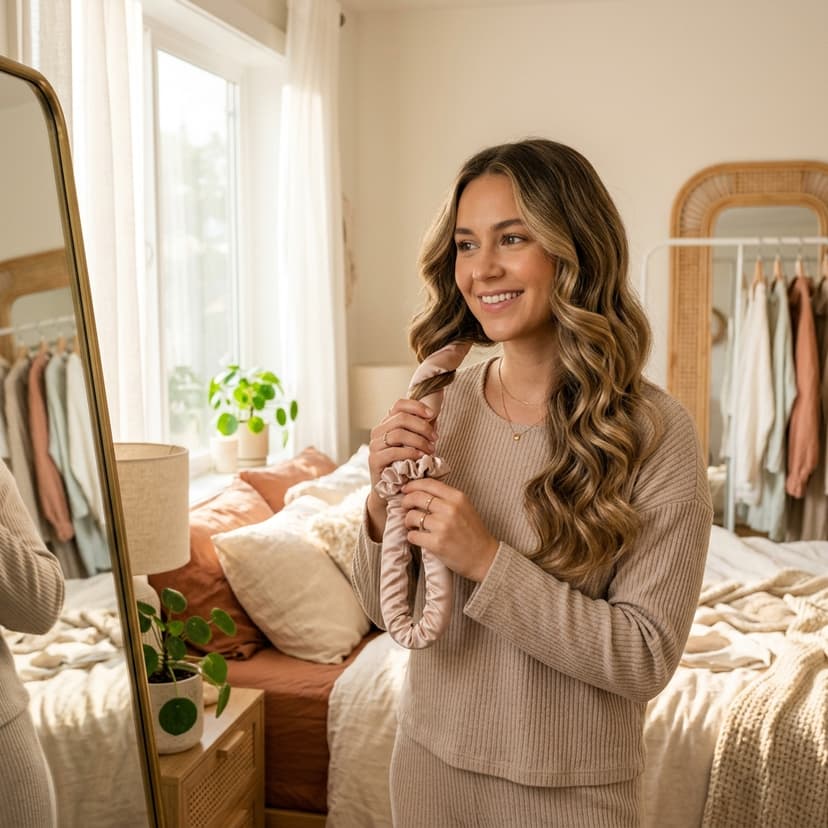
With a modern round-brush blow dryer or overnight heatless curler set, styling takes approximately 10 to 15 minutes. On non-wash days, a quick 2-minute root refresher with dry shampoo and a claw clip revives the shape.
How often should you trim a butterfly cut to maintain its shape?
To keep the face-framing layers grazing your cheekbones and jawline cleanly, schedule maintenance trims every 6 to 8 weeks.