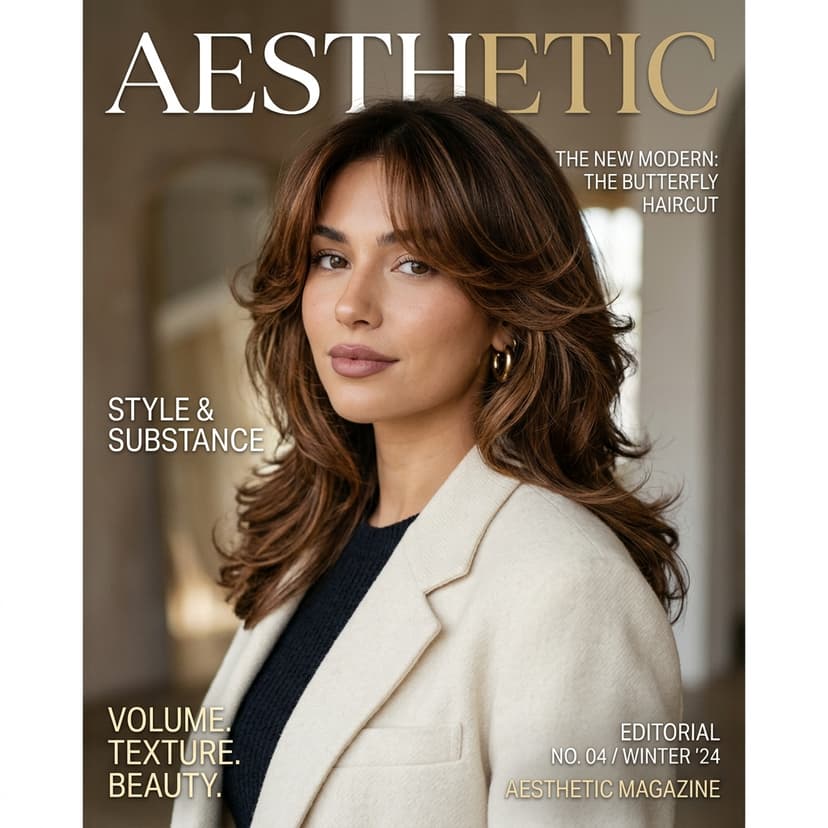
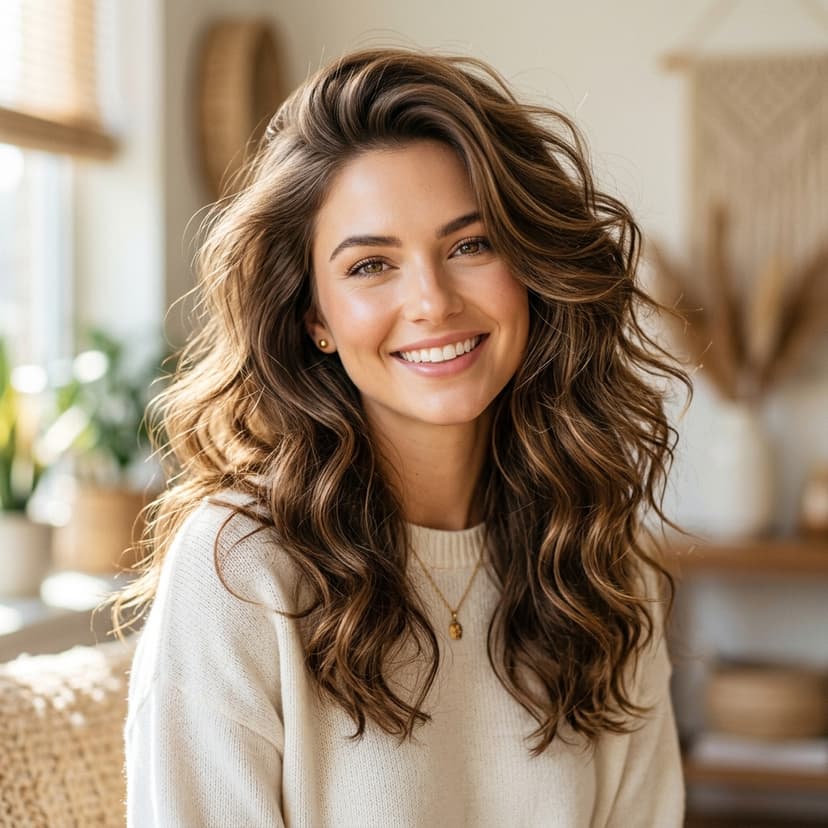
Layered Haircuts by Face Shape: Best Cut for You
Layers add movement, volume, and dimension to any hair type. This guide matches the right layering technique to your specific face shape for a result that flatters your features.
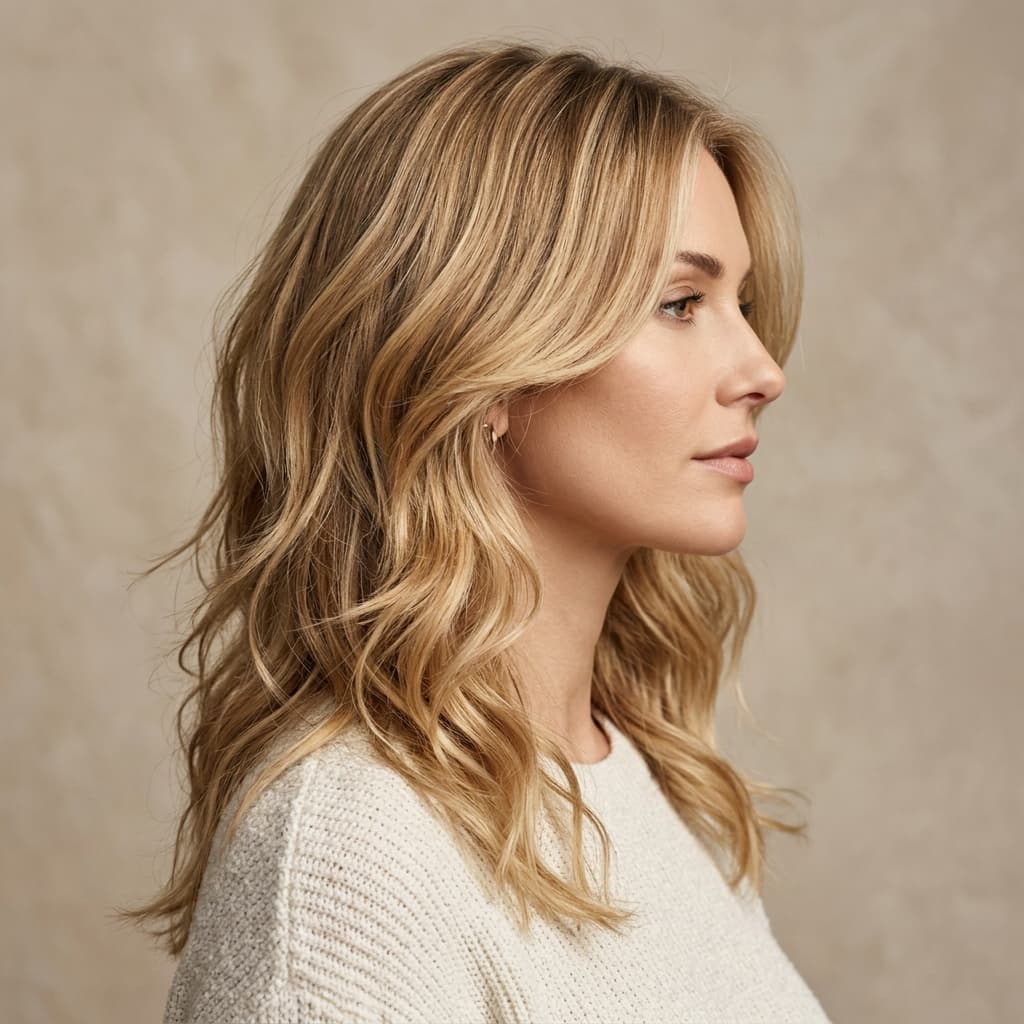
📌 At a Glance (Key Takeaways)
- Strategic interior layers shift volume to balance specific facial angles and bone structures.
- Round faces benefit from long vertical layers, while heart and square shapes need chin-softening cuts.
- Blended point-cutting ensures layers move seamlessly without harsh horizontal lines.
- Choosing the right layer starting point is the secret to highlighting eyes, cheekbones, or collarbones.
Direct Answer: A layered haircut by face shape is a tailored styling approach where interior and framing layers are cut at precise anatomical focal points (cheekbones, chin, or collarbone) to balance facial symmetry, accentuate bone structure, and distribute hair volume in harmony with your face shape.
Why Layers Transform Your Look
A great layered haircut does more than just remove bulk. It reshapes the entire silhouette of your hair, creating movement where there was flatness and framing your face in a way that highlights your best features. The difference between a mediocre layered cut and an exceptional one comes down to understanding how different layering techniques interact with your face shape and hair texture.
The biggest misconception about layers is that they are all the same. In reality, there are at least five distinct layering techniques, and choosing the wrong one for your face shape can make your hair look thinner, wider, or more unbalanced than before. This guide breaks down exactly which layers work for which faces.
Matching Layers to Your Face Shape
Round Face
If your face is approximately as wide as it is long with soft, curved edges, your goal is to create the illusion of length and angles. Long layers that start at or below the chin work beautifully because they draw the eye downward. Avoid short, choppy layers around the cheeks, as these add width exactly where you do not want it.
Practical Tip: Ask your stylist for "face-framing layers" that start at the jawline and blend into the rest of the cut. The longest front pieces should hit your collarbone.
Oval Face
An oval face shape is the most versatile for layered cuts. The balanced proportions mean almost any layering technique will look good. This is your opportunity to experiment with curtain bangs, shaggy layers, or the modern "butterfly cut" that features shorter crown layers for volume.
Square Face
Strong jawlines and angular features look stunning with soft, feathered layers that round out the hard lines. Wispy layers around the temples and jawline soften the overall shape, while avoiding blunt cuts at the chin that would emphasize the squareness.
Heart Face
A wider forehead and narrow chin benefit from layers that add volume at the bottom. Chin-length layers and below create balance by adding visual weight to the lower half of the face. Side-swept bangs are especially flattering because they reduce the perceived width of the forehead.
- Long, swept layers for round faces
- Curtain bangs and shag layers for oval faces
- Soft, feathered layers for square faces
- Volume-at-bottom layers for heart faces
Layering Techniques Explained
| Technique | Description | Best Hair Type |
|---|---|---|
| Slide cutting | Scissors slide down the hair shaft at an angle, creating soft, blended layers | Fine to medium, straight hair |
| Point cutting | Scissors cut into the ends vertically, creating textured, piecey layers | Thick, coarse hair that needs weight removal |
| Razor cutting | A razor blade creates ultra-soft, feathered ends | Medium density, wavy hair |
| Invisible layering | Internal layers that add movement without changing the visible outline | Any type wanting subtle volume |
What to Tell Your Stylist
Communication is everything when getting layers. Bring three to five reference photos on your phone, but also clearly state what you want to avoid. Saying "I want movement but I do not want my hair to look thin at the ends" gives your stylist critical boundaries. Ask them to show you where the shortest layer will fall before they start cutting.
A well-executed layered cut should look beautiful air-dried, not just when it is been styled with a round brush. If your layers only look good when you spend 30 minutes blow-drying, the cut is not working for your natural texture.
The right layers can genuinely transform how you feel about your hair. Take the time to understand your face shape, communicate clearly with your stylist, and invest in a cut that works with your natural texture rather than against it.
The Geometry of Hair Layering: Visual Balance Explained
Haircuts act as optical frames for human facial architecture. When a haircut lacks layers, hair hangs in a static block that can drag down features, widen round faces, or over-accentuate strong angular jaws.
Layering redistributes volume: removing weight from dense areas, adding texture where softness is required, and directing the viewer's eye toward your best natural features.
Layered Cut Recommendations by Face Shape
1. Round Face Shapes
- Target Objective: Create vertical elongation and narrow the cheeks.
- Ideal Cut: Long, cascading layers starting below the chin. Avoid cheekbone-length layers, which add horizontal width to the face. Pair with a deep side part or long curtain fringe.
2. Square Face Shapes
- Target Objective: Soften a prominent, angular jawline.
- Ideal Cut: Textured, feathered layers starting around the jaw with wispy ends. A textured shag or collarbone lob softens sharp angular boundaries.
3. Heart & Inverted Triangle Shapes
- Target Objective: Balance a wider forehead with a delicate chin.
- Ideal Cut: Chin-length and collarbone-length layers that kick outward, adding horizontal volume around the lower jaw and neck.
4. Oval Face Shapes
- Target Objective: Showcase balanced facial symmetry without elongating.
- Ideal Cut: Highly versatile—classic 90s butterfly cuts, blunt bobs with interior texturizing, or long layered waves all complement natural oval proportions.
5. Diamond Face Shapes
- Target Objective: Soften high, dramatic cheekbones and widen a narrow forehead.
- Ideal Cut: Bobs with soft cheekbone-skimming curtain bangs and rounded interior layers.
Face Shape Layering Matrix
| Face Shape | Shortest Layer Starting Point | Best Silhouette | Layering Technique |
|---|---|---|---|
| Round | 1-2 Inches Below Chin | Long Cascading Layers | Slide-Cutting |
| Square | At Jawline | Textured Shag / Lob | Feathered Point-Cut |
| Heart | Chin Level | Outward Flaring Lob | Textured Ends |
| Oval | Cheekbone or Collarbone | Butterfly / Classic Layers | Precision Blended |
| Diamond | Mid-Cheekbone | Soft Curtain Lob | Soft Rounded Cuts |
How to Communicate with Your Stylist
To guarantee you walk out with the haircut you envisioned:
- Bring 3 Photos: Two examples of what you love and one example of what you dislike (e.g., "I dislike harsh, choppy shelves").
- Show Where You Want Layers to Start: Use your finger to point directly to your face: "I want the shortest layer to hit right at my collarbone."
- Discuss Your Daily Styling Reality: If you air-dry 90% of the time, inform your stylist so they tailor the texturizing for wash-and-wear.
Learn more about specific cuts in The Modern Shag Haircut and Butterfly Haircut Guide.
Professional Stylist Maintenance & Seasonal Care Protocol
Maintaining the movement, volume, and clean lines of this style requires understanding seasonal environmental factors:
- Managing Humidity & Frizz: High atmospheric humidity causes hair cuticles to swell, altering weight distribution and causing layers to frizz. Apply a lightweight silicone-free anti-humidity shield or dry oil spray to damp hair before blow-drying.
- Winter Static & Dehydration Prevention: Indoor central heating strips moisture from strands, creating flyaway static. Swap lightweight summer conditioners for a weekly nourishing argan or jojoba oil hair mask, focusing strictly from mid-shaft to ends.
- Preserving Color Vibrancy & Gloss: If you pair this haircut with balayage or highlights, wash with cool water and use a sulfate-free color-protecting shampoo to prevent brassiness and dullness.
- Nighttime Friction Protection: Sleep with your hair loosely secured with a 100% mulberry silk scrunchie on a silk pillowcase to prevent overnight tangles and preserve root elevation for easy morning restyling.
- Scalp Micro-Circulation: Spend 2 minutes massaging your scalp while shampooing to stimulate vascular blood flow to active hair follicles, encouraging resilient, shiny growth.
Frequently Asked Questions
Can curly hair have layers tailored by face shape?
Yes! In fact, curly hair requires layers to prevent the bottom-heavy 'triangle' shape. A dry curl-by-curl cut ensures layers distribute volume evenly around your facial features.
How do I determine my exact face shape?
Pull your hair back completely and measure or photograph your face straight-on. Compare the width of your forehead, cheekbones, and jawline against your overall facial length.
Will layers make thin hair look thinner?
Too many short layers can thin out the perimeter. However, subtle long layers with a blunt perimeter add movement without reducing perceived density.
How frequently do layered haircuts need trimming?
Layered haircuts generally require maintenance trims every 8 to 10 weeks to prevent layers from losing their intentional shape.