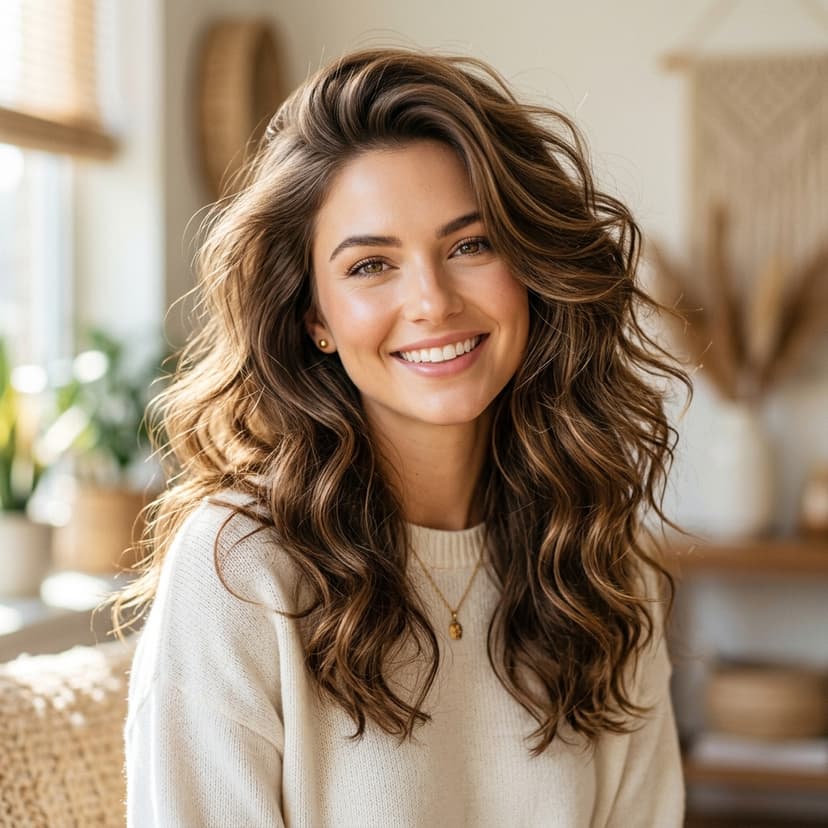
How to Style Curtain Bangs: Routine for Every Hair Type
Curtain bangs are the ultimate face-framing look. Learn the step-by-step styling secrets using a round brush, rollers, or flat iron.

📌 At a Glance (Key Takeaways)
- Curtain bangs are cut shorter in the center and sweep outward to frame cheekbones and jawlines.
- Suitable for round, oval, heart, and square face shapes by adjusting parting angle and length.
- Round brush blowouts or velcro rollers provide the most reliable 5-minute daily styling.
- Requires minimal commitment compared to blunt straight-across bangs and grows out gracefully.
Direct Answer: Curtain bangs are face-framing fringe cut shorter in the center and feathering outward toward the cheekbones, parted down the middle like open window drapes. They are styled by blow-drying forward and rolling backward away from the face using a round ceramic brush or velcro rollers to achieve an effortless, sweeping 70s aesthetic.
The Popularity of Curtain Bangs
Curtain bangs are one of the most requested hair trends on Pinterest, and for good reason. They are incredibly flattering, framing the eyes and cheekbones, and they grow out much more gracefully than blunt bangs. However, many women walk out of the salon loving their curtain bangs, only to realize styling them at home is a challenge. Here is a breakdown of how to style your bangs like a pro.
Method 1: The Classic Round Brush Blowout
This is the gold standard for achieving that soft, bouncy, 70s-inspired wave.
- Prep: Wet your bangs (even if the rest of your hair is dry) and apply a light heat protectant.
- Angle: Place a medium-sized round brush on top of your bangs, rolling the hair forward toward your forehead.
- Blow Dry: Blow dry the hair forward, keeping the nozzle pointed downward to prevent frizz.
- The Flip: Once dry, roll the brush backward away from your face. Pull the brush out gently to let the bangs cascade naturally to the sides.
Method 2: The Low-Maintenance Roller Method
If you want volume without using active heat every morning, velcro rollers are your best friend.
- Dampen: Spray bangs with water or a texturizing spray until slightly damp.
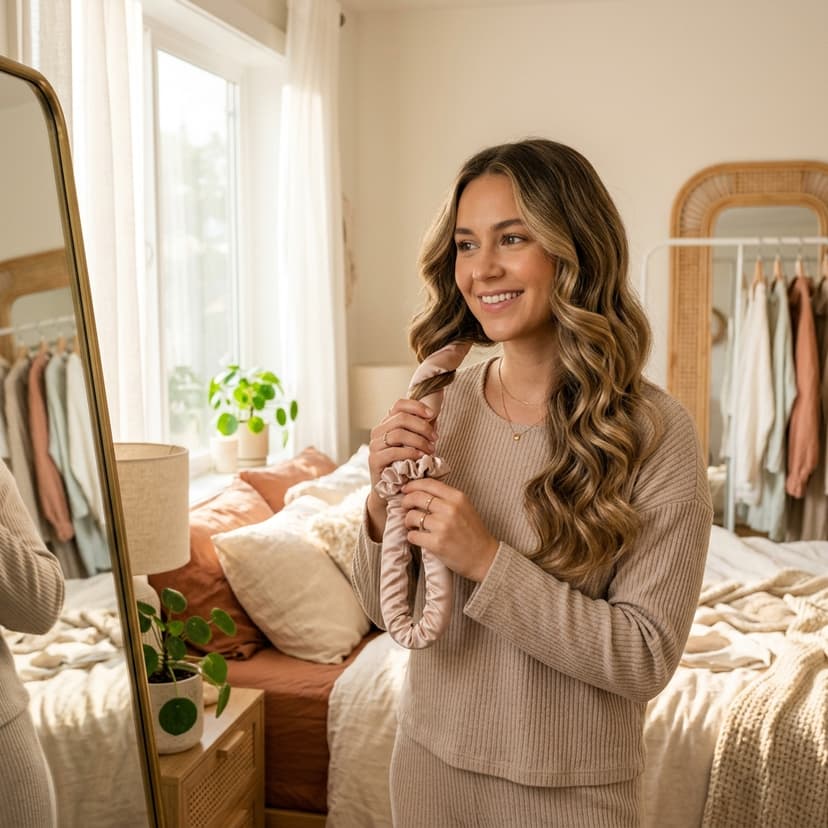
- Roll: Wrap the bangs around a large velcro roller, rolling away from your face.
- Wait: Leave the roller in for 15–20 minutes while you do your makeup.
- Release: Gently unroll and shake out the roots.
Method 3: The Flat Iron Pinch
For a sleeker, modern look, you can use a straightener.
- Grab both sections of your curtain bangs together.
- Clamp the straightener at the roots, pull down, and curve the iron inward toward your face, then out at the ends in a C-shape.
- Pinch the two inner corners of the bangs together at the bridge of your nose to create the classic curtain drape.
| Method | Styling Time | Volume Level | Hold |
|---|---|---|---|
| Round Brush | 5 minutes | High | Medium (needs hairspray) |
| Velcro Rollers | 20 minutes (passive) | Maximum | Long-Lasting |
| Flat Iron | 2 minutes | Medium | High |
Styling by Hair Texture
- Wavy/Curly Hair: Work with your natural texture by applying a curl cream and using a diffuser, drying the roots in the direction you want them to lay.
- Fine/Straight Hair: Focus on volume. Use a light volumizing mousse at the roots before blow-drying to prevent the bangs from laying flat.
Why Curtain Bangs Remain the Universal Face-Framing Favorite
Unlike severe blunt bangs that demand frequent maintenance trims and strict styling, curtain bangs offer gentle, customizable framing. Because they taper seamlessly into your cheekbone layers, they soften prominent jawlines, contour wider foreheads, and create an instant focal point around your eyes.
Furthermore, curtain bangs grow out naturally into flattering cheek-length layers, eliminating the awkward growing-out phase typical of traditional fringe.
Curtain Bangs Adaptation by Face Shape
- Round Faces: Request longer curtain bangs that terminate at the jawline with a sharp diagonal angle. This draws the eye downward and visually elongates facial proportions.
- Square Faces: Ask for soft, wispy textured ends hitting right below the cheekbones to soften angular jaw corners.
- Heart Faces: Shorter curtain bangs grazing the brow line and widening at the cheekbones balance a wider forehead with a narrower chin.
- Oval Faces: Highly adaptable—any length from bridge-of-the-nose to jawline flatters natural facial balance.
Step-by-Step Styling Tutorial: The 3-Minute Velcro Roller Technique
Follow this fast morning method to give curtain bangs an all-day swooping flick:
- Dampen the Fringe Section: Lightly mist your bangs with water or a heat protectant refresher spray.
- Blow-Dry Forward First: Comb the entire bang forward over your forehead. Direct the blow dryer nozzle downward while brushing from side to side to eliminate cowlicks.
- Roll Backward Around Brush: Wrap the bangs around a 1.5-inch round brush, pulling forward and rolling upward toward your hairline while applying heat.
- Set with a Medium Velcro Roller: While the hair is still hot, roll the bangs backward away from your face into a velcro roller. Pin it at the base.
- Cool Down and Part: After 5–10 minutes, unroll gently backward, let the fringe fall naturally, and separate with your fingers into a flattering center-parted curtain.
Curtain Bangs Maintenance & Tool Checklist
| Item | Purpose | Recommended Type |
|---|---|---|
| 1.5-inch Round Brush | Creates upward root lift and outward flick | Ceramic or Boar Bristle |
| Medium Velcro Roller | Locks in 70s curved shape hands-free | 1.5-inch to 2-inch Self-Grip Roller |
| Dry Shampoo Powder | Absorbs forehead sweat and oils | Translucent Rice Starch Spray |
| Texturizing Spray | Prevents fringe from separating into strands | Light-Hold Dry Texturizer |
Common Mistakes to Avoid with Curtain Bangs
- Cutting Bangs While Completely Wet: Wet hair stretches up to 30%; cutting curtain bangs wet often results in bangs that shrink up 1–2 inches too short once dry.
- Rolling Bangs Inward: Never roll your bangs under toward your eyes; always roll them upward and backward to achieve that chic outward swoop.
- Using Heavy Styling Wax: Foreheads naturally produce oils. Using heavy creams or waxes causes bangs to clump and look greasy by midday.
- Ignoring the Natural Part: Work with your natural cowlicks during the rough-dry phase to ensure bangs sweep open symmetrically.
For full-silhouette styling pairing, explore the Butterfly Haircut Guide and learn more about hair density in Fine Hair Volumizing.
Professional Stylist Maintenance & Seasonal Care Protocol
Maintaining the movement, volume, and clean lines of this style requires understanding seasonal environmental factors:
- Managing Humidity & Frizz: High atmospheric humidity causes hair cuticles to swell, altering weight distribution and causing layers to frizz. Apply a lightweight silicone-free anti-humidity shield or dry oil spray to damp hair before blow-drying.
- Winter Static & Dehydration Prevention: Indoor central heating strips moisture from strands, creating flyaway static. Swap lightweight summer conditioners for a weekly nourishing argan or jojoba oil hair mask, focusing strictly from mid-shaft to ends.
- Preserving Color Vibrancy & Gloss: If you pair this haircut with balayage or highlights, wash with cool water and use a sulfate-free color-protecting shampoo to prevent brassiness and dullness.
- Nighttime Friction Protection: Sleep with your hair loosely secured with a 100% mulberry silk scrunchie on a silk pillowcase to prevent overnight tangles and preserve root elevation for easy morning restyling.
- Scalp Micro-Circulation: Spend 2 minutes massaging your scalp while shampooing to stimulate vascular blood flow to active hair follicles, encouraging resilient, shiny growth.
Frequently Asked Questions
Can you wear curtain bangs with naturally wavy or curly hair?
Absolutely. Naturally wavy curtain bangs create a gorgeous bohemian look. Use a curl-defining cream and diffuse gently, or smooth the roots slightly with a round brush for soft framing.
How often do curtain bangs need to be trimmed?
To maintain their optimal cheekbone sweep, schedule trims every 4 to 6 weeks. However, because of their tapered cut, they can grow into face-framing layers without looking messy.
How do I fix a cowlick in my curtain bangs?
Wet the cowlick completely, then blow-dry the roots back and forth across your forehead in an 'X' pattern with a flat brush before styling with a round brush.
Can curtain bangs be styled without heat?
Yes! Wrap slightly damp bangs around a medium velcro roller right after washing and allow them to air-dry completely while you finish your skincare routine.