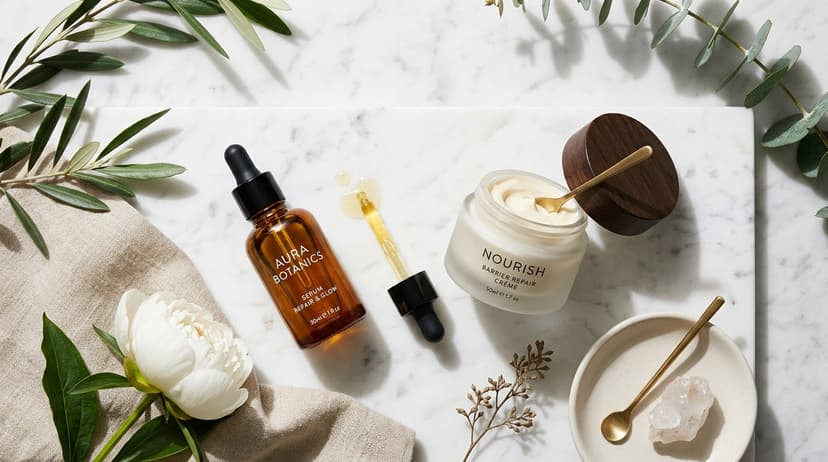
How to Use Hyaluronic Acid for Plump, Hydrated Skin
Hyaluronic acid is a hydration powerhouse, but applying it wrong can actually dry out your skin. Learn the rules for maximum hydration.

📌 At a Glance (Key Takeaways)
- Hyaluronic acid is a humectant capable of binding up to 1,000 times its molecular weight in water.
- Must always be applied to damp skin; applying to dry skin can pull moisture out of the dermis.
- Must be sealed immediately with an occlusive moisturizer to lock hydration in place.
- Multi-molecular weight formulations hydrate both the surface epidermis and deeper skin layers.
Direct Answer: Hyaluronic acid is a powerful humectant naturally found in human skin that binds up to 1,000 times its weight in water. To use it correctly without drying out your skin, always apply it to freshly cleansed, damp skin (misted with water or toner) and seal it immediately with an occlusive moisturizer to lock in plump, bouncy hydration.
The Hydration Hero
Hyaluronic acid (HA) is a molecule that occurs naturally in our skin, acting like a sponge to bind and hold water. It is capable of holding up to 1,000 times its weight in water, making it the absolute gold standard for plumping fine lines and delivering deep hydration. However, despite being in almost every serum and moisturizer on the market, many people apply it incorrectly, resulting in drier skin than when they started.
The Damp Skin Golden Rule
Hyaluronic acid is a humectant, meaning it draws moisture from its surroundings. If you apply it to a completely dry face, and the air around you is dry, the molecule will actually pull moisture out of the deeper layers of your skin, causing dehydration.
- How to Apply: Always apply your hyaluronic acid serum to damp skin. Wash your face, leave it wet or mist it with a facial spray, then immediately apply the serum.
Lock It In
Because HA holds water, that moisture will evaporate into the air unless you lock it in. Once you have patted your serum into your damp skin, immediately apply a layer of moisturizer containing occlusive ingredients (like squalane, ceramides, or plant oils) to seal in that hydration.
Understanding Molecular Weight
If you look closely at skincare labels, you will notice different terms:
- High Molecular Weight HA: Sits on the surface of the skin, forming a barrier that prevents water loss, giving an instant plumping effect.
- Low Molecular Weight HA: Features smaller molecules that penetrate deeper into the epidermis for long-term hydration.
- Multi-Molecular Serums: The best HA serums combine multiple weights to hydrate both the surface and deeper layers.
| HA Molecular Size | Penetration Depth | Benefit | Target Area |
|---|---|---|---|
| High | Surface Layer | Instant smoothing, locks barrier | Fine dehydration lines |
| Medium | Middle Epidermis | Structural hydration | Moisture retention |
| Low | Deep Epidermis | Supports natural moisture barrier | Deep cellular plumpness |
Layering Order
When building your skincare routine, always apply products from thinnest consistency to thickest. After cleansing and toning, apply your damp-skin hyaluronic acid. Follow with other active serums (like niacinamide or vitamin C), and finish with your moisturizer and sunscreen. By using HA correctly, you will achieve that plump, dewy glow.
The Molecular Science of Hyaluronic Acid: Nature's Ultimate Sponge
Hyaluronic acid (HA)—chemically known as a glycosaminoglycan—is a vital structural molecule naturally present in human connective tissue, joints, and skin dermis. In young, healthy skin, HA holds moisture within the extracellular matrix, keeping the facial architecture plump, resilient, and elastic. As we age, natural HA synthesis decreases by approximately 50%, resulting in loss of firmness, dehydration lines, and dullness.
In skincare formulations, hyaluronic acid functions as a humectant. It acts like an array of microscopic sponges, drawing ambient water molecules into the upper layers of the skin (stratum corneum).
The Dangerous Mistake: Why Hyaluronic Acid Can Dry Out Your Skin
Because hyaluronic acid is a powerful humectant, it is indiscriminate about where it draws water from:
- In Humid Climates / On Damp Skin: HA draws water from ambient air and surface mist directly into your skin cells, delivering radiant plumpness.
- In Dry Air / On Bone-Dry Skin: When ambient humidity is below 40% (such as in winter or air-conditioned rooms) and HA is applied to dry skin, it reverses direction: drawing moisture out of the deeper dermis up to the surface, where it rapidly evaporates into the dry air. This process—known as transepidermal water loss (TEWL)—leaves your skin feeling tighter, flakier, and more dehydrated than before!
Multi-Molecular Weight Hyaluronic Acid Explained
High-quality serums utilize a blend of different molecular weights to achieve comprehensive hydration:
| Molecular Weight | Size (Daltons) | Penetration Depth | Key Skin Benefit |
|---|---|---|---|
| High Molecular Weight (HMW) | > 1,000 kDa | Sits on skin surface | Creates an immediate protective moisture shield |
| Medium Molecular Weight (MMW) | 100 - 300 kDa | Upper epidermis | Softens dehydration lines & enhances elasticity |
| Low Molecular Weight (LMW) | 10 - 50 kDa | Deeper epidermis | Stimulates natural hyaluronic acid production |
| Sodium Hyaluronate | Salt Form | Highly stable | Penetrates easily & hydrates deeply |
The Foolproof 4-Step Application Routine
- Cleanse Thoroughly: Wash face with a gentle, non-stripping cleanser.
- Dampen the Canvas: Do not dry your face completely, or mist generously with thermal spring water or alcohol-free hydrating toner. Your skin should be visibly wet.
- Press 3 Drops of HA: Dispense 3 drops of hyaluronic acid serum onto your fingertips. Gently press and pat (do not vigorously rub) into face, neck, and chest.
- Seal with an Occlusive Moisturizer Immediately: Within 60 seconds—while skin is still dewy—apply a ceramide-rich moisturizer or facial oil over the top. This creates an impermeable lipid seal that traps the water inside your skin.
Explore daytime layering in our Daily Sunscreen Guide and night routines in Morning vs. Night Skincare Routine.
Dermatological Best Practices & Ingredient Synergy Protocol
Maximizing the biological efficacy of your skincare and beauty routine requires adhering to clinical formulation principles:
- Patch-Testing New Formulations: Before applying any new active product across your face, apply a dime-sized amount behind your ear or on your inner forearm for 48 hours to monitor for delayed contact dermatitis or erythema.
- The Importance of Formulation pH: Cleansers should always maintain an acidic pH between 4.5 and 5.5 to preserve the skin's protective acid mantle. Alkaline bar soaps (pH 8-10) strip protective lipids, opening pathways for acne-causing bacteria and trans-epidermal water loss.
- Storage & Oxidation Defense: Active serums containing vitamin C (L-ascorbic acid) or retinoids oxidize when exposed to light, heat, and oxygen. Store bottles in a cool, dark cabinet or skincare fridge, and ensure dropper caps are screwed tight immediately after use.
- Consistency Over Intensity: Low-percentage active ingredients used consistently 3 to 4 times weekly produce vastly superior long-term skin health with zero barrier disruption compared to aggressive high-concentration peels used erratically.
- Hydration Layering Order: Remember that water cannot penetrate oil. Always apply water-based essences and hydrating humectants first, and finish with emollient creams or facial oils to seal.
Summary Checklist: Key Takeaway Action Plan
To put these strategies into immediate practice without feeling overwhelmed, focus on incremental consistency rather than sudden perfection:
- Identify Your Starting Baseline: Choose one core technique or recommendation from this guide that resonates most with your current daily routine.
- Commit for Two Full Weeks: Allow your hair, skin, wardrobe, or schedule at least 14 continuous days to adapt and respond before making secondary adjustments.
- Track Your Results: Note qualitative improvements in comfort, confidence, and daily ease to confirm that your approach is supporting your personal lifestyle goals.
- Refine as Needed: Revisit this guide whenever seasonal changes, schedule shifts, or personal preferences call for a fresh, elevated styling perspective.
Frequently Asked Questions
Can I use hyaluronic acid every day?
Yes! Hyaluronic acid is non-irritating and can be safely used twice daily, both morning and night, across all skin types (including sensitive and acne-prone skin).
Can hyaluronic acid be combined with retinol or vitamin C?
Yes, it pairs harmoniously with virtually all active ingredients. Layer hyaluronic acid before or after retinol to buffer irritation, or apply it after your morning vitamin C serum.
What should I do if my skin feels tight after applying hyaluronic acid?
This is a sign you applied it to dry skin or failed to seal it with an adequate moisturizer. Always apply to damp skin and follow immediately with a rich cream.
Is sodium hyaluronate the same as hyaluronic acid?
Sodium hyaluronate is the salt form of hyaluronic acid. It has a smaller molecular size, resists oxidation better, and penetrates the skin more easily than pure hyaluronic acid.