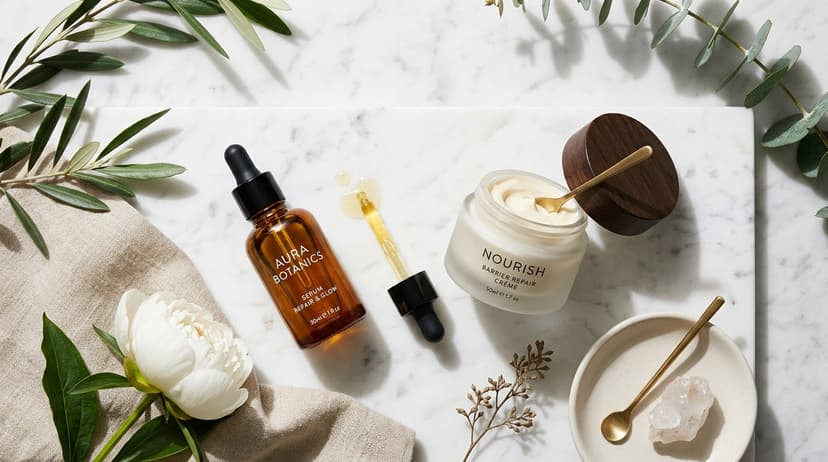
Glass Skin Routine: 7-Step Hydration Guide for a Dewy Glow
Achieve translucent, luminous glass skin with K-beauty hydration layering. Here is the exact 7-step routine, humectant ordering, and barrier protection tips.

📌 At a Glance (Key Takeaways)
- Glass skin represents an intensely hydrated, smooth, and translucent complexion that reflects light like clean glass.
- Achieving the look relies on layering multiple thin, watery hydrating steps (humectants) rather than applying heavy, occlusive oils.
- The viral '7-Skin Method' involves patting 3 to 7 thin layers of alcohol-free hydrating toner into damp skin to maximize intracellular moisture.
- Gentle barrier maintenance and mild chemical exfoliants (like PHAs or Lactic Acid) are essential to smooth micro-roughness without causing redness.
Direct Answer: "Glass skin" (known in Korea as yuri pibu) refers to a complexion so poreless, luminous, intensely hydrated, and smooth that it mimics the reflective translucency of polished glass. Rather than relying on heavy highlighters or thick makeup, authentic glass skin is cultivated through strategic skincare layering—incorporating double cleansing, mild polyhydroxy acids, multi-tier watery humectant toners, and light ceramide barrier seals.
The Philosophy Behind Glass Skin: Health Over Camouflage
Originating in the forefront of Seoul's skincare research labs, the glass skin phenomenon is fundamentally rooted in internal skin health. While Western beauty culture historically emphasized matte coverage and concealing imperfections with high-coverage foundation, Korean skincare approaches the complexion as an ecosystem to be nourished, quenched, and protected.
When the skin's outermost stratum corneum is completely saturated with water, light does not scatter across dry flaking edges; instead, it passes smoothly into the epidermis and reflects outward with a naturally lit-from-within glow. Achieving glass skin is not about possessing genetically "poreless" skin—pores are an essential physiological structure—but about smoothing surface micro-texture and maintaining high levels of cellular hydration.
The Science of Water Layering: Viscosity Ordering
The cornerstone of the glass skin routine is the rule of viscosity ordering: applying products strictly from the thinnest, most watery molecular weight to the thickest, most occlusive emulsion. Layering a watery toner over a thick cream prevents the water from ever reaching your epidermal cells.
| Routine Step | Product Type | Primary Function | Texture Profile |
|---|---|---|---|
| Step 1 & 2 | Oil Cleanser + Low-pH Foam | Dissolve sebum & clear water-based impurities | Silky oil into gentle soft foam |
| Step 3 | Gentle PHA / Lactic Acid Exfoliant | Resurface dead skin cells to create smooth glass surface | Water-thin liquid |
| Step 4 | The "7-Skin" Hydrating Toner | Saturate intracellular spaces with pure water humectants | Watery essence or fluid toner |
| Step 5 | Fermented Treatment Essence | Boost cellular renewal & deliver amino acids/antioxidants | Slightly viscous fluid |
| Step 6 | Niacinamide & Snail Mucin Serum | Refine pores, brighten dark spots, and repair bounce | Elastic gel or targeted serum |
| Step 7 | Ceramide Gel-Cream & Glow Sunscreen | Lock in layered moisture and reflect daytime light | Lightweight bouncy cream |
To master the foundational double-cleanse that starts this routine, consult our step-by-step breakdown on Double Cleansing: Benefits for Every Skin Type.
The 7-Step Step-by-Step Glass Skin Regimen
Follow this exact sequential ritual morning or evening to cultivate luminous, dewy skin:
Step 1: The Nourishing Oil-Based Cleanse
Begin on dry skin by massaging a dime-sized amount of botanical cleansing oil or cleansing balm over your face for 60 seconds. The lipophilic oil binds to oxidized sebum, SPF filters, and stubborn pigments, lifting them from inside the pores without stripping natural lipids. Emulsify with warm water until milky, then rinse clean.
Step 2: The Gentle Low-pH Water Cleanser
Follow immediately with a gentle, non-stripping water-based gel or cream cleanser formulated at a skin-identical pH of 5.5. This washes away dissolved residue while preserving the acid mantle.
Step 3: Gentle Chemical Polishing (PHAs or Lactic Acid)
Glass cannot reflect light if the surface is rough. Avoid harsh walnut scrubs or high-strength glycolic peels that cause inflammation. Opt for Polyhydroxy Acids (PHAs) or Lactic Acid two to three nights per week. PHAs possess larger molecular structures that gently dissolve cellular glue on the very surface without penetrating deep enough to cause irritation.
Step 4: The Celebrated "7-Skin" Toner Layering Method
Pour a nickel-sized amount of an alcohol-free hydrating toner (packed with hyaluronic acid, glycerin, or panthenol) into your palms. Gently press and pat the liquid into your skin until absorbed. While your face is still damp, repeat this process 3 to 4 times. With each successive layer, your skin plumps visibly, drinking up moisture like a dry sponge in water.
Step 5: Fermented Essence or Snail Mucin
Essences bridge the gap between toner and concentrated serums. Fermented ingredients (such as Galactomyces or Bifida ferment lysate) provide amino acids that accelerate natural cellular turnover, while snail secretion filtrate delivers dense peptides and hyaluronic acid that give the skin an unmistakable bouncy, supple cushion.
Step 6: Targeted Brightening Serum (Niacinamide + Centella)
Smooth 2 to 3 drops of a 2% to 5% Niacinamide serum blended with soothing Centella Asiatica (Cica). Niacinamide regulates sebum production, tightens the appearance of enlarged pores, and inhibits melanin transfer, creating the uniform, crystal-clear tone that defines glass skin.
Step 7: The Ceramide Gel-Cream Seal
All the water layered into your skin will evaporate through trans-epidermal water loss if not sealed. Apply a generous layer of a lightweight, bouncy gel-cream rich in ceramides, squalane, and cholesterol. Gel formulations provide the essential lipid barrier without feeling heavy or causing congestion.
For a daytime glass finish, top with a hydrating, chemical or hybrid broad-spectrum sunscreen that leaves a transparent, dewy glow.
The Role of Diet, Internal Hydration, and Sleep in Glass Skin
While topical multi-layer skincare provides the immediate reflective glaze on the stratum corneum, true skin translucency is heavily dictated by systemic cellular health:
- Electrolyte-Enhanced Cellular Hydration: Drinking water alone is often insufficient if your body lacks the essential electrolytes (potassium, magnesium, sodium) needed to transport water molecules across cell membranes. Adding a pinch of Himalayan mineral salt or an electrolyte packet to your morning water ensures deep intracellular hydration that reflects in skin turgor and bounce.
- Antioxidant-Dense Polyphenols: Green tea (matcha), blueberries, and pomegranate seed oil combat internal oxidative stress and advanced glycation end-products (AGEs), which cause dermal collagen to stiffen and turn yellow. Preserving healthy collagen fibers maintains the smooth dermal mattress needed for uniform light reflection.
- The Overnight Reparative Window: During non-REM deep sleep (between 10 PM and 2 AM), cellular mitotic division peaks and human growth hormone (HGH) accelerates skin tissue repair. Consistent 7 to 8-hour sleep cycles prevent the cortisol spikes that trigger sebum overproduction and dull skin tone.
Seasonal Glass Skin Adaptations: Adapting to Climate Extremes
Maintaining a reflective, dewy complexion requires calibrating your hydration layers according to ambient humidity levels:
| Climate / Season | Skincare Adjustments | Focus Actives | What to Avoid |
|---|---|---|---|
| Humid Summer | Reduce toner layers to 2–3; switch to weightless water gels. | Green Tea, Niacinamide, Centella Asiatica | Heavy facial oils and thick petrolatum occlusives |
| Dry / Cold Winter | Increase toner layers to 5; layer a barrier balm over moisturizer. | Ceramides, Beta-Glucan, Squalane, Panthenol | Alcohol-based setting sprays and dry indoor heating without humidifiers |
| Transitional Spring | Introduce gentle PHA chemical peels to remove winter dullness. | Lactic Acid, Galactomyces Ferment, Peptides | Harsh physical abrasive facial scrubs |
| Arid Desert Climates | Apply hydrating toners in a steamy bathroom; mist with thermal water. | Hyaluronic Acid (always on damp skin), Glycerin | Applying dry hyaluronic acid without an occlusive seal |
Troubleshooting Common Glass Skin Challenges
- Problem: Skin Looks Oily and Greasy, Not Dewy
- The Fix: You are using occlusive oils instead of water humectants. Eliminate heavy facial oils (like coconut or heavy argan) and replace them with multiple layers of watery toners and lightweight gel-creams.
- Problem: Tiny Bumps (Closed Comedones) Developing on Forehead
- The Fix: Over-saturation of heavy products or unrinsed oil cleanser residue. Ensure you emulsify your oil cleanser completely with water, and reduce your toner layers from five down to two or three.
- Problem: Makeup Pills and Slides Off Over Skincare
- The Fix: Allow 60 to 90 seconds between your moisturizer and SPF to let the humectant network set. Use water-based or lightweight skin tints rather than thick silicone-heavy foundations.
For pairing your glowing skincare with clean, minimalist cosmetics, explore our complete tutorial on The No-Makeup Makeup Routine: Fresh, Natural Beauty and browse Natural Glow Makeup Trends: Radiant Looks for Modern Women.
Frequently Asked Questions
Can oily or acne-prone skin achieve glass skin without looking greasy?
Yes, oily skin thrives under a glass skin regimen because the routine prioritizes water-based humectants (glycerin, hyaluronic acid, beta-glucan) rather than heavy pore-clogging oils. Dehydrated oily skin often overproduces sebum; saturating it with lightweight water hydration actually balances oil production.
What is the difference between glass skin and honey skin?
While both are beloved K-beauty ideals, 'glass skin' (yuri pibu) focuses on a smooth, poreless, translucent, and reflective glass finish through deep water hydration. 'Honey skin' (kkul pibu) emphasizes a richer, more supple, and glossy nourishment derived from honey and propolis.
How long does it take to see real glass skin results?
Immediate surface hydration and dewy radiance are visible after the very first multi-step routine. However, true glass skin—involving refined texture, balanced tone, and fortified barrier resilience—requires 3 to 4 weeks of consistent daily hydration and gentle exfoliation.
Do you really need to apply 7 layers of toner for the 7-Skin Method?
No, seven is simply the traditional maximum. For most skin types, patting 3 to 4 thin layers of an alcohol-free hydrating toner provides optimal saturation without product buildup or stickiness.