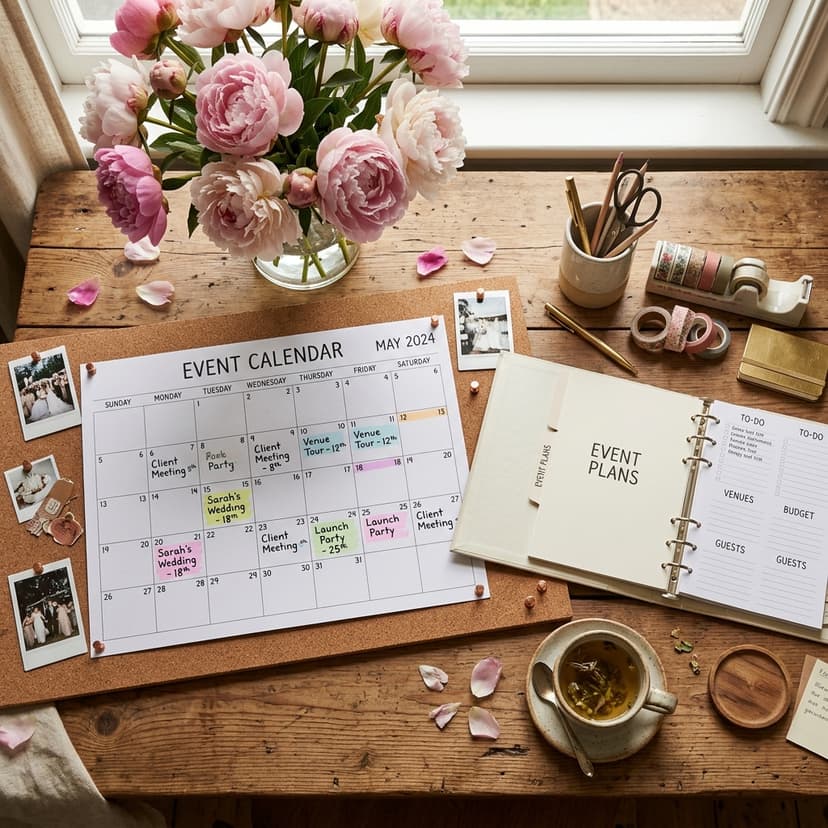
How to Plan Vacation Travel Around a Demanding Work Schedule
Learn practical strategies for booking trips and organizing itineraries so that your travel schedule harmonizes with your personal need for rest and exploration.
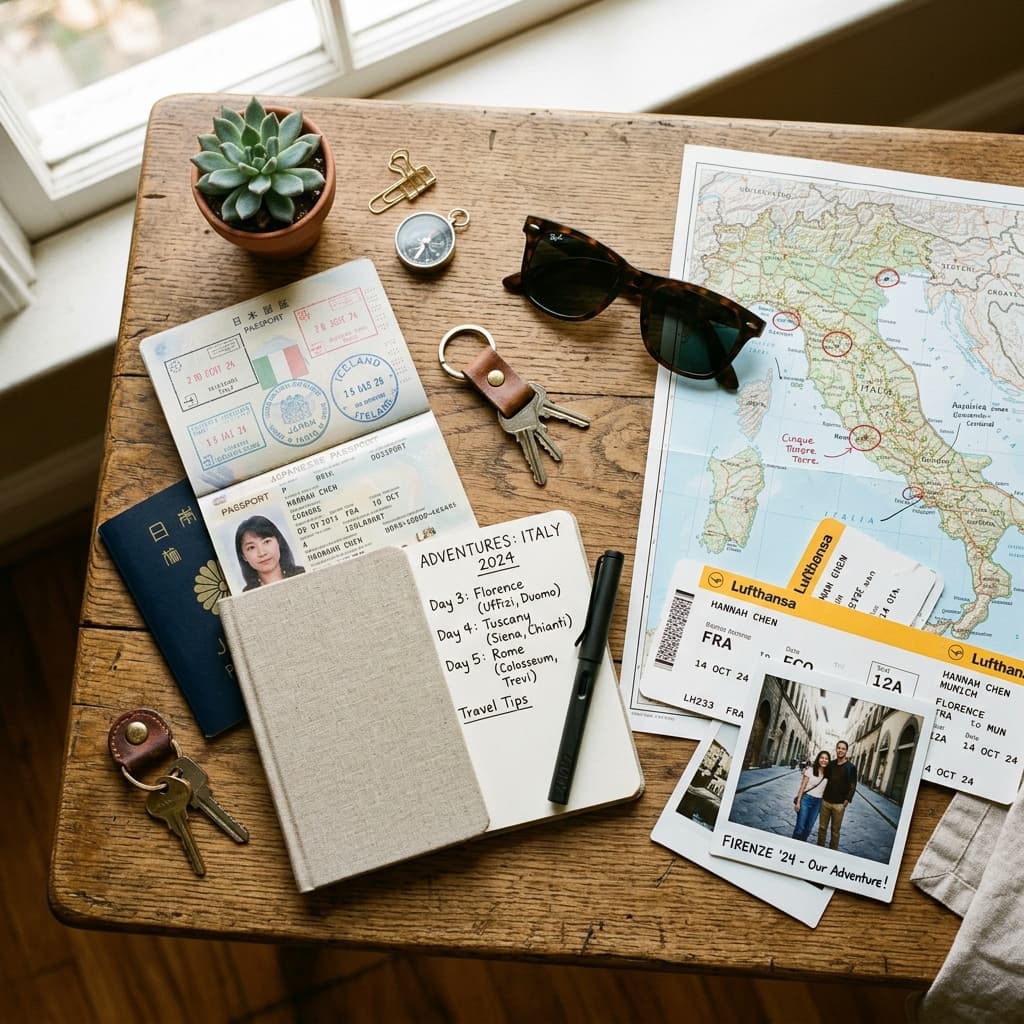
📌 At a Glance (Key Takeaways)
- The 'Holiday Sandwich' strategy bridges public holidays with paid time off to double vacation days.
- Direct flights and carry-on-only luggage eliminate airport waiting friction and lost baggage risks.
- Booking the 'buffer recovery day' before returning to the office prevents post-vacation whiplash.
- Off-peak shoulder season travel cuts costs and crowds while delivering superior cultural immersion.
Direct Answer: Planning vacation travel around a demanding career requires strategic calendar engineering rather than waiting for slow work periods that never arrive. By leveraging bank holiday weekends (the holiday sandwich technique), booking carry-on only direct flights, and protecting a mandatory 24-hour home buffer day before returning to work, you travel frequently without risking professional burnout.
The Travel Timing Trap
We have all been there. You book a highly anticipated vacation, only to realize the timing could not be worse for your energy levels. Traveling is already exhausting, and doing it when you naturally crave rest can turn a dream trip into a chore.
Simple Ways to Plan Travel Around Your Schedule
Planning travel should be about more than just booking flights and hotels. It should be about auditing your schedule to ensure you actually have the energetic capacity to enjoy the journey.
- Build in a Buffer Day: Never return from a trip on a Sunday night and go straight to work on Monday morning. Always build in a 24-hour buffer day at home to unpack, rest, and transition back to your normal routine.
- Set a Soft Out-of-Office: Set your email autoresponder to start 4 hours before you actually leave, allowing you to wrap up tasks in peace without last-minute requests.
- Align Itineraries with Energy: Plan high-activity excursions for the first half of your trip when your energy is fresh, and leave the second half completely open for relaxation.
Pre-Travel Schedule Management
To prevent the classic "pre-travel crunch"—where you work 14-hour days right before your trip to catch up—use this planning schedule:
- One Week Prior: Audit your project lists and decide what must be done before you leave, and what can wait until you return.
- Three Days Prior: Block out your calendar. Do not schedule any new meetings for your final two days of work.
- One Day Prior: Spend the day clearing minor tasks, checking in for your flights, and packing calmly in the evening.
Choosing Your Travel Pace
Every trip should serve a purpose. Match your travel itinerary to your current lifestyle needs:
| Travel Style | Energy Level Required | Best Activities | Perfect For |
|---|---|---|---|
| The Explorer | High | City walking tours, museum visits, hiking | Discovering a new culture when feeling active |
| The Rest Retreat | Low | Reading on the beach, spa days, slow dining | Recovering from a busy project or stressful season |
| The Hybrid | Medium | Structured morning tours, open afternoons | Exploring at a relaxed, comfortable pace |
The Vacation Deficit: Why Demanding Careers Stifle Travel
For high-performing professionals, taking time off often feels more stressful than working. The dread of returning to an avalanche of 600 unread emails, combined with the fear that stepping away will stall project momentum, leads millions of women to forfeit their hard-earned paid time off (PTO) every year.
However, vacation travel is not an indulgence; it is a vital neurobiological reset. Stepping into novel geographic environments stimulates neuroplasticity, dissolves chronic stress, and enhances executive creative problem-solving. You don't need to quit your job to see the world; you simply need strategic calendar engineering.
The 4 High-Efficiency Travel Planning Hacks for Busy Women
1. The "Holiday Sandwich" Strategy (Doubling Your PTO)
Never take random mid-week vacation days. Analyze your company's annual holiday calendar in January. By pairing paid public holidays (like Memorial Day, Labor Day, Thanksgiving, or Easter) with 3 or 4 PTO days, you can turn a 4-day weekend into a 9-to-10 day international trip while only burning 3 or 4 days of company vacation allowance.
2. The Golden Rule of Carry-On Only
Lost luggage and 60-minute baggage carousel waits destroy the efficiency of short vacations. Traveling strictly with a 40L carry-on suitcase and a personal item allows you to check in digitally, bypass airport counter queues, and walk directly from the plane to your destination.
3. The Mandatory Buffer Day
The biggest mistake busy professionals make is landing from an international flight at 10:00 PM on Sunday night and walking into the office at 8:30 AM on Monday morning. Always return home on Saturday afternoon or take Monday as a personal day. Dedicate those 24 hours to unpacking, laundry, grocery shopping, and sleeping, so you return to work composed and recharged.
4. The 3-Hour Flight Radius for Long Weekends
For 3-to-4 day long weekends, restrict travel to destinations within a 3-hour direct flight radius. Minimizing transit fatigue maximizes real relaxation hours on the ground.
Travel Strategy Comparison Matrix
| Travel Style | Best Frequency | Planning Horizon | Key Professional Advantage |
|---|---|---|---|
| The 9-Day Holiday Sandwich | 2x Per Year | 4-6 Months Ahead | Maximizes international travel with minimal PTO use |
| The 3-Day Micro-Getaway | 3-4x Per Year | 4-6 Weeks Ahead | Quick nervous system reset with zero project disruption |
| The Workation (Work + Vacation) | 1x Per Year | 2-3 Months Ahead | Extends destination immersion via afternoon exploration |
| The Off-Peak Shoulder Season | Autumn & Spring | 3 Months Ahead | 40% lower costs, zero crowds, and milder weather |
Step-by-Step Protocol: Leaving Work Without Anxiety
- Appoint a Certified Delegate: Assign a capable colleague as your primary emergency point of contact. Brief them on ongoing projects 3 days prior.
- Draft a Comprehensive Coverage Document: Create a 1-page Google Doc detailing active project statuses, file links, and escalation instructions for your delegate.
- Set the "Early" Out-of-Office Notice: Set your email auto-responder to begin 4 hours before your actual departure so you can wrap up loose ends without incoming interruptions.
Ensure seamless packing with our Essential Travel Packing Checklist and prepare your home with our Sunday Reset Routine.
Behavioral Science & Sustainable Habit Mastery Protocol
Integrating new scheduling methods, wellness routines, and productivity frameworks into an already demanding lifestyle requires understanding the science of neuroplasticity and habit formation:
- The Power of Habit Stacking: Behavioral psychologist BJ Fogg demonstrated that new habits anchor best when attached to an existing, automatic routine. Use the formula: "After I [Current Automatic Habit], I will [New 2-Minute Habit]." (e.g., "After I pour my morning coffee, I will write down my Rule of 3 daily priorities.")
- Overcoming Friction & Cognitive Resistance: Motivation is an unreliable emotion that fluctuates with fatigue. Design your environment to make positive choices frictionless and distractions difficult (e.g., place your planner open on your desk, charge your phone across the room, and prep workout clothes before bed).
- Tracking Qualitative Energy Metrics: At the end of each week, spend 3 minutes reflecting on your energy levels: Which commitments energized you? Which drained you? Use these qualitative insights to continuously prune your calendar.
- The Grace of Non-Perfection: High achievers often abandon productivity systems the moment a single day is missed. Acknowledge that life is fluid and unpredictable. Missing one day is an anomaly; resuming the next day is the mark of true resilience.
- Establishing an Evening Digital Sunset: Power down email alerts and blue light screens at least 45 minutes before sleep to allow natural melatonin synthesis to initiate deep, restorative sleep cycles.
Frequently Asked Questions
How far in advance should I notify my employer about taking time off?
For major trips of a week or more, provide at least 2 to 3 months notice. For 1-to-2 day extensions around holiday weekends, 4 to 6 weeks is polite and professional.
Should I check my work email while on vacation?
Strictly speaking, no. Glancing at work emails triggers cortisol spikes that prevent genuine neurological recovery. If your role requires availability, designate a strict 15-minute window once per day (e.g., 5:00 PM) and remain offline the rest of the day.
What is shoulder season and why is it best for busy professionals?
Shoulder season represents the travel months right before and after peak tourist season (e.g., May and September/October for Europe). Flights and luxury hotels are cheaper, temperatures are mild, and you waste zero time waiting in tourist queues.
How do I pack everything into a carry-on for a 10-day trip?
Utilize compression packing cubes, plan a cohesive 10-piece capsule wardrobe in neutral shades, wear your bulkiest shoes and jacket on the plane, and utilize hotel laundry services halfway through your trip.