
📌 At a Glance (Key Takeaways)
- Quiet luxury prioritizes fabric composition, structural tailoring, and discreet finishing over overt designer logos or fleeting micro-trends.
- Building the aesthetic centers on high-grade natural fibers: long-staple cashmere, double-faced wool, crisp poplin cotton, and heavy Mulberry silk.
- The color palette relies on cohesive tonal neutrals: alabaster, oatmeal, rich camel, deep espresso, slate navy, and soft charcoal.
- A tailored fit is non-negotiable; spending $20 to have trousers hemmed or blazers nipped transforms accessible garments into luxury pieces.
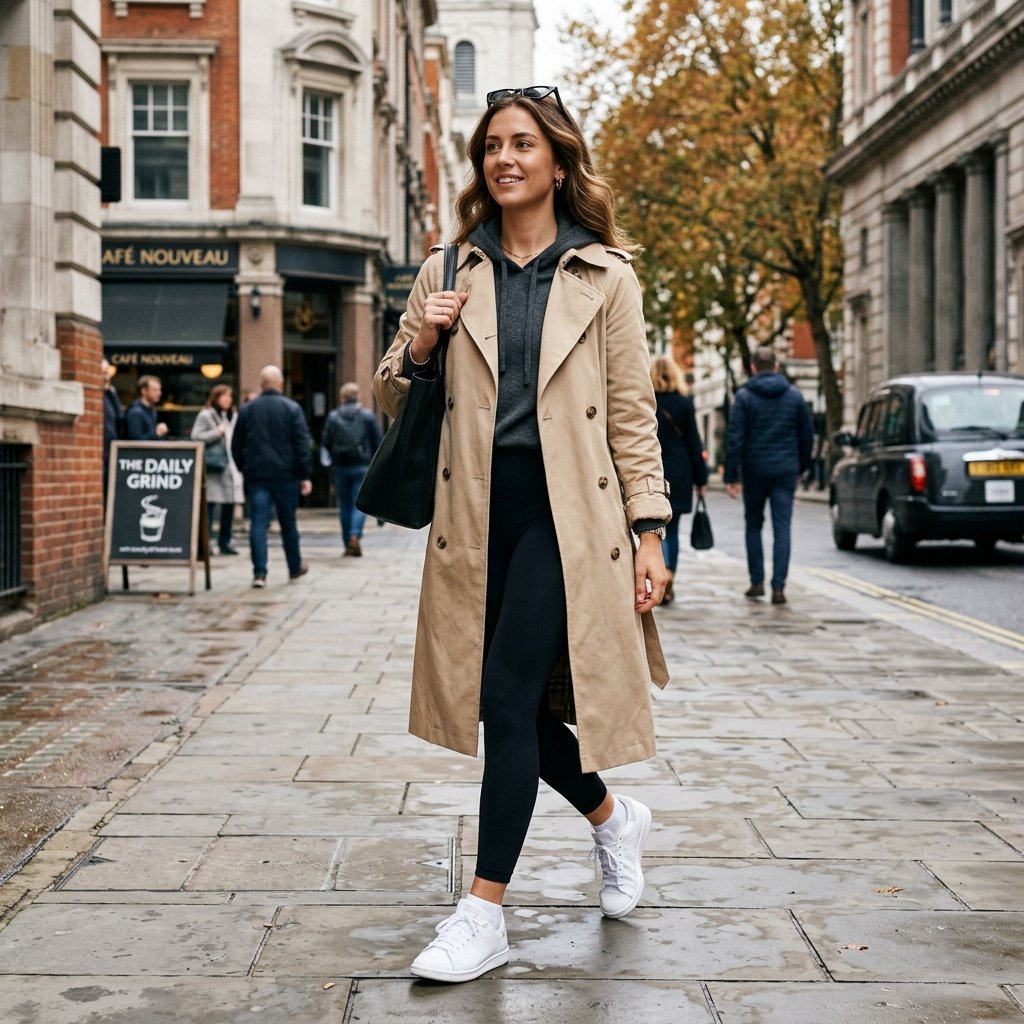
Quiet luxury is not about spending more. That’s the misunderstanding that trips people up: they assume the look requires a designer budget, when the whole idea is the opposite. It’s a way of dressing that signals nothing about price and everything about judgment — natural fibers, clean construction, colors that agree with each other. The logo-free tote and the cashmere with no branding aren’t hiding wealth so much as declining to perform it.
You’ve probably seen it called “old money” or “stealth wealth.” Strip away the nicknames and what’s left is a fairly practical proposition: buy fewer things, buy them better, and learn to tell the difference. That last part is the skill, and it’s learnable on any budget.
Read the fabric first
Before you look at the cut or the price tag, turn the garment inside out and read the care label. Fast fashion leans on acrylic, polyester, and nylon — fibers that pill after a couple of washes, trap heat, and never quite drape right. The materials that carry this aesthetic are almost always natural:
- Cashmere and merino for softness and warmth without bulk, with a matte finish rather than a synthetic sheen.
- Long-staple cotton (Pima, Egyptian) for shirting that holds its shape through the day.
- Silk and heavy satin for a fluid drape that catches soft light instead of glaring under it.
- Linen for structured, breathable texture that only improves with washing.
None of this requires a boutique. Plenty of high-street retailers run limited natural-fiber lines; you just have to filter past the polyester to find them.
Fit is what money usually buys
The real gap between a $150 trouser and an $800 one is often just fit. Off-the-rack clothes are cut for a generic average, not for you. Spending twenty or thirty dollars at a local tailor to hem a trouser to your exact shoe break, nip in a blazer waist, or shorten a sleeve so a sliver of wrist shows will do more for how expensive something looks than doubling your clothing budget. We’d argue it’s the single highest-return move in all of this.
The small tells
A few details quietly separate considered clothing from the rest. Hardware is one: brushed brass, horn, mother-of-pearl, and matte tortoiseshell read as intentional, while shiny branded buckles and monogram zipper pulls date a piece instantly. Bags follow the same logic — clean lines, unbranded leather, a surface that ages into a patina rather than announcing itself.
Color is the other. This style lives on a muted, tonal spectrum that mixes without clashing.
| Family | Core shades | How to pair |
|---|---|---|
| Warm ivories | Cream, alabaster, oatmeal | Mix knit textures — cable against silk |
| Rich earths | Camel, cognac, espresso | Anchor lighter creams; lean into gold jewelry |
| Cool neutrals | Navy, slate, black | Sharpen with white poplin for office days |
| Soft herbals | Sage, olive, khaki | Relaxed weekend layering |
For more on building outfits within a single color family, our “Monochromatic Outfits” guide goes deep on tonal dressing.
The pieces worth anchoring around
You don’t need a long list. A handful of well-chosen anchors will carry you from a workday to a weekend without much thought:
- A tailored wool coat in camel, charcoal, or navy, with no external branding.
- A relaxed cashmere crewneck in ivory or taupe.
- High-waisted pleated trousers in a mid-weight wool blend.
- A crisp cotton poplin shirt in white or a faint blue stripe.
- A single-breasted blazer, slightly relaxed through the shoulder.
- A bias-cut silk midi skirt in champagne, black, or chocolate.
- An unbranded structured leather tote.
- A slim almond-toe loafer in black or burgundy.
- A classic leather-strap watch.
- A cotton-gabardine trench in honey or khaki.
If you’re starting from nothing, our “Capsule Wardrobe Basics” guide is the place to begin, and “Office Outfit Ideas” covers the professional end in more detail.
Where to spend and where to hold back
Building this wardrobe is about allocation, not abundance. The reliable rule: invest in the things that last decades and take the friction, and save on the trend-adjacent and the seasonal.
Put your money into outerwear (a good wool coat and a proper trench will outlive a dozen trend jackets), into leather (loafers, boots, a structured bag), into tailored bottoms, and into cashmere knitwear that resists pilling. Save on everyday cotton tees, ribbed tanks, canvas espadrilles, summer totes, and basic denim — these do their job perfectly well at mid-tier prices.
Doing it on a real budget
Consignment is the shortcut nobody talks about enough. The RealReal, Vestiaire, and local vintage shops are full of Max Mara coats, Ralph Lauren wool blazers, and classic trousers at a fraction of retail, and buying them secondhand is both cheaper and kinder to the planet. Beyond that, filter your online searches by fiber composition rather than by trend, and take care of what you own — a cashmere comb for pilling, cedar against moths, a steamer instead of harsh dry cleaning that strips wool of its natural oils. The clothes last longer, which is rather the entire point.
Frequently Asked Questions
Can you achieve quiet luxury without spending a designer budget?
Yes, absolutely. Quiet luxury is governed by material composition, color harmony, and fit rather than brand tags. Sourcing 100% natural fibers (linen, wool, cotton) from mid-tier brands or vintage consignment stores and taking them to a local tailor achieves the identical look of luxury fashion houses.
What is the biggest difference between quiet luxury and minimal fashion?
While minimalism focuses on reducing the number of items and embracing simple geometric shapes, quiet luxury specifically emphasizes tactile richness, premium fabric density, subtle heritage textures (like herringbone or ribbing), and effortless elegance.
What shoes work best with a quiet luxury wardrobe?
The quiet luxury aesthetic favors understated, logo-free leather footwear: almond-toe or square-toe leather loafers, minimalist riding boots, pointed-toe kitten heels, elegant leather slingbacks, and clean, unbranded low-profile white leather sneakers.
How do you accessorize a quiet luxury outfit without looking plain?
Focus on micro-details: delicate solid gold or gold-vermeil chains, subtle pearl or huggie earrings, a slim leather belt with brushed brass hardware, structured unbranded leather handbags, and a classic vintage-inspired tank watch.
Additional Details
- Description: Quiet luxury is about timeless fabrics, immaculate tailoring, and logo-free confidence. Here is how to curate an understated high-end wardrobe on any budget.
- Published: 2026-09-04T00:00:00.000Z
- Updated: 2026-09-07T00:00:00.000Z
Images
- (none listed)