Monochromatic Outfits: How to Style Single-Color Looks
Master the art of wearing one color from head to toe. Learn how to mix textures and play with proportions for a sleek, cohesive look.
📌 At a Glance (Key Takeaways)
- Monochrome dressing creates an uninterrupted vertical line that elongates the body silhouette.
- Mixing contrasting fabric textures (wool, silk, leather, knit) is the secret to avoiding flat outfits.
- Varying shades, tones, and saturations within a single color family adds high-fashion depth.
- Neutral monochrome (all-cream, all-camel, all-navy) conveys effortless quiet luxury.
Direct Answer: Monochromatic outfit styling is the sartorial practice of building a complete look around a single color family. Rather than wearing identical shades, successful monochrome styling combines varied tonal saturations (tints and shades) paired with rich contrasting textures—such as ribbed knitwear, buttery leather, crisp poplin, and tailored wool—to create dimensional, elongating elegance.
The Power of One Color
Monochromatic dressing—wearing shades of the same color from head to toe—is one of the easiest styling hacks to look instantly polished and expensive. It creates a long, unbroken vertical line that is visually slimming and highly sophisticated. The key to mastering this trend lies in texture mixing and shade variation.
Rule 1: Mix Your Textures
If you wear a smooth cotton sweater with smooth cotton trousers in the exact same shade of beige, your outfit will look flat. To create visual interest, combine different textures. Pair a chunky cable-knit wool sweater with a silk slip skirt, or a sleek leather blazer with soft denim.
Rule 2: Play with Shades and Tones
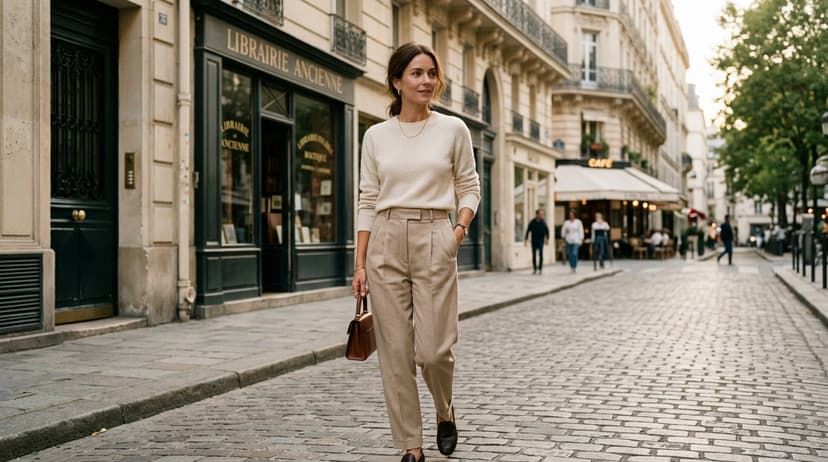
Monochromatic doesn't mean matching dyed-to-match pieces. In fact, it looks much more stylish to mix different tones of the same color family. For example, style an ivory silk top with cream wool trousers, oatmeal loafers, and a camel coat. This creates depth and dimension.
3. Define the Silhouette
Without contrasting colors to mark where your top ends and your bottom begins, monochromatic looks can sometimes overwhelm your frame. Use proportions and accessories to define your shape:
- Tuck Your Top: A French tuck or full tuck defines the waistline.
- Add a Contrast Belt: A thin leather belt in a darker neutral breaks up the color blocks cleanly.
- Vary Proportions: Pair a voluminous wide-leg trouser with a fitted ribbed top, or a oversized knit with a sleek pencil skirt.
| Color Palette | Best Shade Mixes | Best Occasion | Accessories |
|---|---|---|---|
| Neutrals (All-Cream) | Ivory, Pearl, Oatmeal, Camel | Daytime, Casual Outings | Gold jewelry, tan leather bag |
| All-Black | Matte black cotton, patent leather, silk | Evening, Formal Dinner | Silver jewelry, black heels |
| Earthy Forest | Sage green, olive, deep emerald | Autumn, Casual Work | Tortoiseshell frames, brown leather |
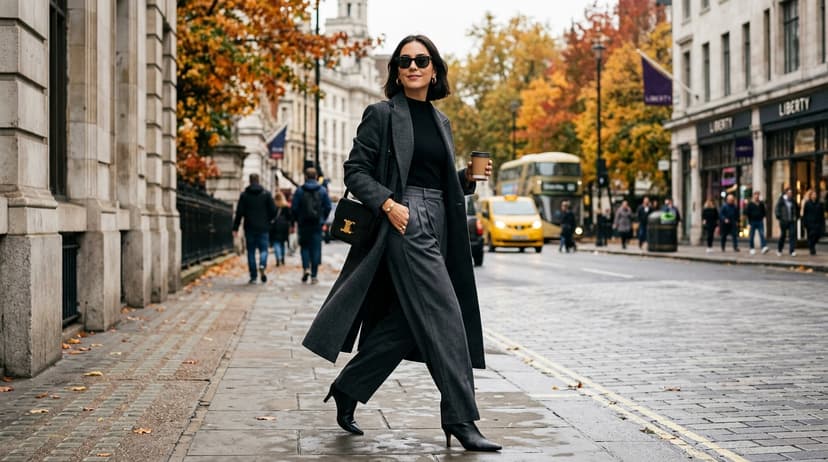
| Cool Charcoal | Slate grey, heather grey, silver | Office, Business Meetings | Structural black boots, silver watch |
Starting Simple
If you are new to monochromatic styling, start with an all-black look—it is the easiest to pull off. Once comfortable, transition to shades of grey, navy, or cream. Monochromatic dressing is a highly reliable formula for mornings when you want to look styled with minimal effort.
The Architecture of Monochrome: Why One Color Looks So Expensive
Monochromatic dressing is the ultimate styling shortcut used by high-end fashion editors, runway stylists, and royalty. By dressing head-to-toe in a single color spectrum, you remove horizontal visual breaks across your torso and waistline. This produces an unbroken vertical line that instantly elongates your silhouette and conveys calculated, quiet sophistication.
However, amateur monochrome often falls into the trap of looking like a flat uniform or hospital scrubs. The secret to runway-caliber monochrome lies in two critical elements: tonal layering and textural friction.
The 4 Rules of Flawless Monochromatic Styling
1. Mix at Least Three Distinct Fabric Textures
If you wear a smooth cotton shirt with smooth cotton pants, the outfit appears flat. Elevate it by pairing contrasting tactile surfaces:
- Combine matte and shiny (e.g., a chunky knit sweater with a fluid silk slip skirt).
- Combine rough and smooth (e.g., textured bouclé tweed with smooth tailored wool trousers).
- Combine structured and fluid (e.g., a stiff leather trench coat over a lightweight cashmere knit).
2. Play with Tints, Shades, and Tones
Monochrome does not mean matching identical dye lots. In fact, wearing slightly varied tones within the same color family looks substantially more intentional and expensive. For an all-cream outfit, combine ecru, oatmeal, ivory, and warm alabaster.
3. Anchor with Metal Hardware
When clothing is unified by a single color, accessories take center stage. Let high-shine gold or silver jewelry, architectural belt buckles, and polished bag clasps serve as the light-reflecting focal points of your look.
4. Ground with Deliberate Footwear
You can either match your footwear directly to your monochrome color (which maximizes the leg-elongating effect) or select a sharp contrasting neutral shoe (like pointed black leather boots grounding an all-cream ensemble).
Monochromatic Color Palette Styling Matrix
| Color Palette | Best Textures to Combine | Best Season | Vibe |
|---|---|---|---|
| All-Cream / Ivory | Chunky knit + satin midi + suede boots | Fall / Winter | Quiet Luxury & Opulence |
| All-Navy | Wool blazer + poplin shirt + dark denim | All Year | Intellectual & Sleek |
| All-Camel / Cognac | Cashmere sweater + leather pants + wool coat | Autumn | Rich, Warm & Editorial |
| All-Black | Sheer lace + tailored wool + patent leather | Evening / Winter | Edgy, Chic & Slimming |
| All-Olive Green | Utility jacket + silk blouse + corduroy pants | Spring / Fall | Earthy & Sophisticated |
Step-by-Step Formula: Building an All-Cream Outfit Without Looking Washed Out
- The Base Layer: Start with an ivory ribbed knit turtleneck or fine-gauge cashmere crewneck.
- The Bottoms: Pair with high-waisted, wide-leg wool trousers in warm ecru.
- The Statement Outerwear: Layer an oversized camel or oatmeal double-faced wool coat over your shoulders.
- The Texture Break: Cinch your waist with a textured crocodile-embossed cream leather belt featuring a polished gold buckle.
- The Finishing Shoes: Step into pointed-toe almond ankle boots that peek elegantly out from under the trouser hem.
Explore wardrobe foundations in Capsule Wardrobe Guide and discover Office Outfit Ideas.
Editorial Stylist Garment Care & Longevity Guidelines
Investing in well-curated wardrobe pieces delivers maximum style dividends only when garments are preserved with proper fabric care:
- Steaming vs. Ironing: Hot iron plates can crush delicate natural fibers and create unwanted synthetic shine on wool and silk. Use a handheld garment steamer to relax fibers, release wrinkles, and eliminate odor-causing bacteria naturally.
- The Cold Water Wash Protocol: Wash natural cottons, linens, and blended knitwear inside out in cold water on gentle cycles using plant-based detergent. Cold water prevents dye bleeding, maintains elastic recovery, and stops fiber shrinkage.
- Proper Knitwear Storage: Never hang heavy sweaters or cardigans on wire or wooden hangers, which stretches shoulder seams and creates permanent "hanger bumps." Fold knitwear neatly and store in breathable cotton storage boxes with natural cedar blocks to deter moths.
- Proportion Tailoring Rule: The difference between an outfit that looks high-end versus ordinary is tailoring. Invest a few dollars to hem trouser cuffs to graze the exact top of your shoes and taper blazer sleeves to reveal 1/2 inch of wrist or shirt cuff.
- Fabric Shaver Maintenance: Keep wool and cashmere knits looking brand-new by gently running a motorized fabric defuzzer over friction points (under arms, hips) once a month.
Frequently Asked Questions
Can plus-size women wear all-white or all-cream monochrome?
Absolutely! Monochromatic cream creates an uninterrupted vertical line that is exceptionally flattering and elongating on all body types. Choose structured, opaque fabrics like tailored wool and heavyweight cotton that drape cleanly.
How do I choose the right monochromatic color for my skin tone?
Cool undertones look striking in crisp white, navy, charcoal, and ice blue. Warm undertones shine in camel, espresso, warm ivory, and olive green.
Do shoes and bags have to match the monochromatic outfit?
Not necessarily. Matching your shoes to your trousers extends the vertical leg line, but introducing an intentional contrasting neutral shoe (like black pointed boots with all-cream) adds modern architectural interest.
What is the easiest monochromatic color to start with?
All-navy or all-black is the easiest entry point because most women already own jeans, sweaters, and blazers in these shades. Once comfortable, transition into all-camel or all-cream.