
📌 At a Glance (Key Takeaways)
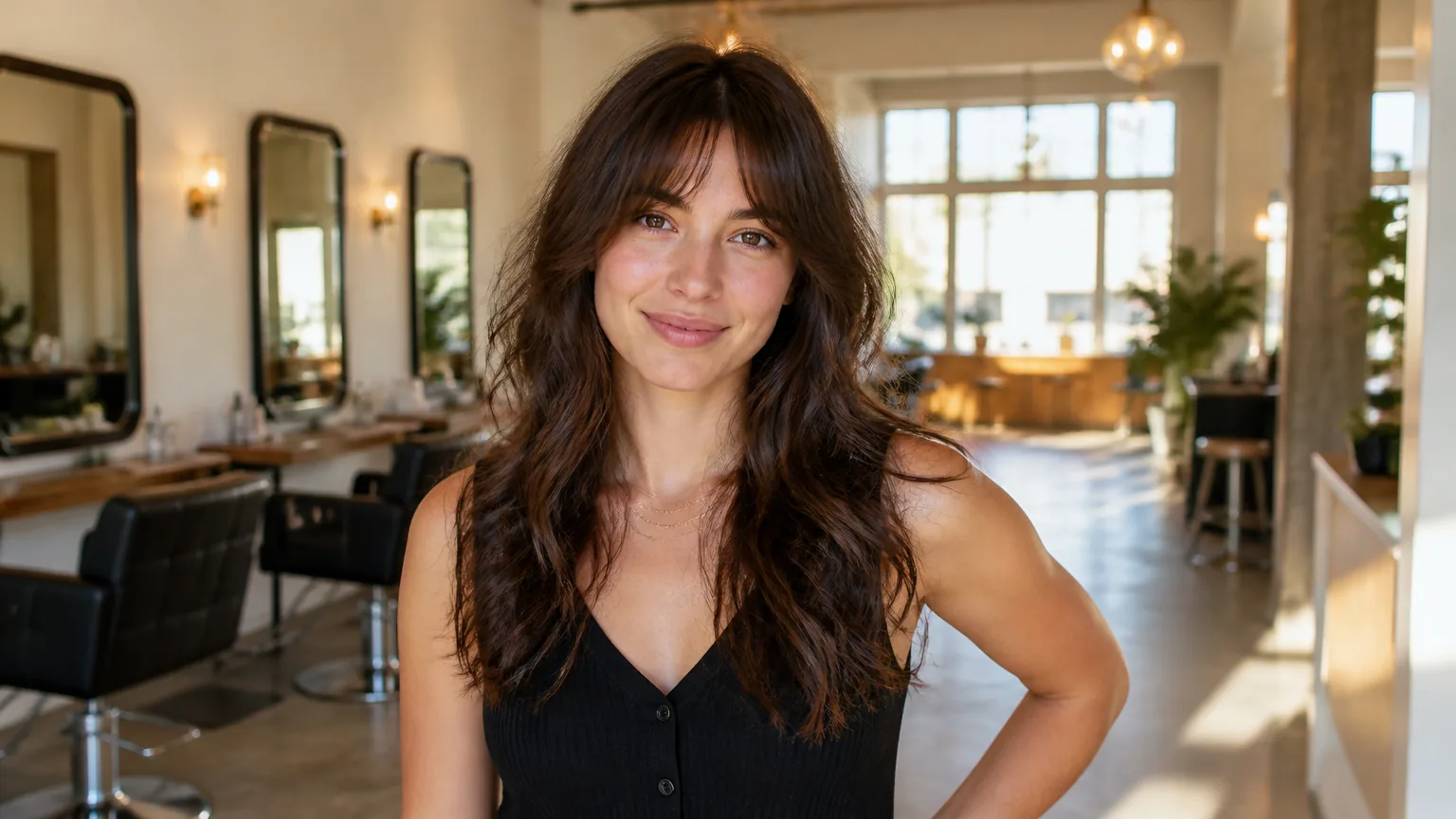
- Characterized by choppy crown layers, feathered face framing, and lived-in texture.
- Works exceptionally well with natural waves, curls, and fine-to-medium straight hair.
- Features soft, air-dry friendly styling that thrives on sea salt and texturizing creams.
- Modern updates replace 70s rock mullet extremes with softer, blended transitions.
The shag has always belonged to people who couldn’t be bothered to fuss over their hair, and that’s precisely why it keeps coming back. The version everyone’s asking for now is softer than the heavily feathered 70s original: choppy layers, volume at the crown, texturized ends, and a look that’s actually meant to be a little messy. It’s the low-maintenance cool-girl cut, and its best feature is that trying too hard ruins it.
What makes a shag a shag
A shag isn’t just a layered cut. Three things set it apart:
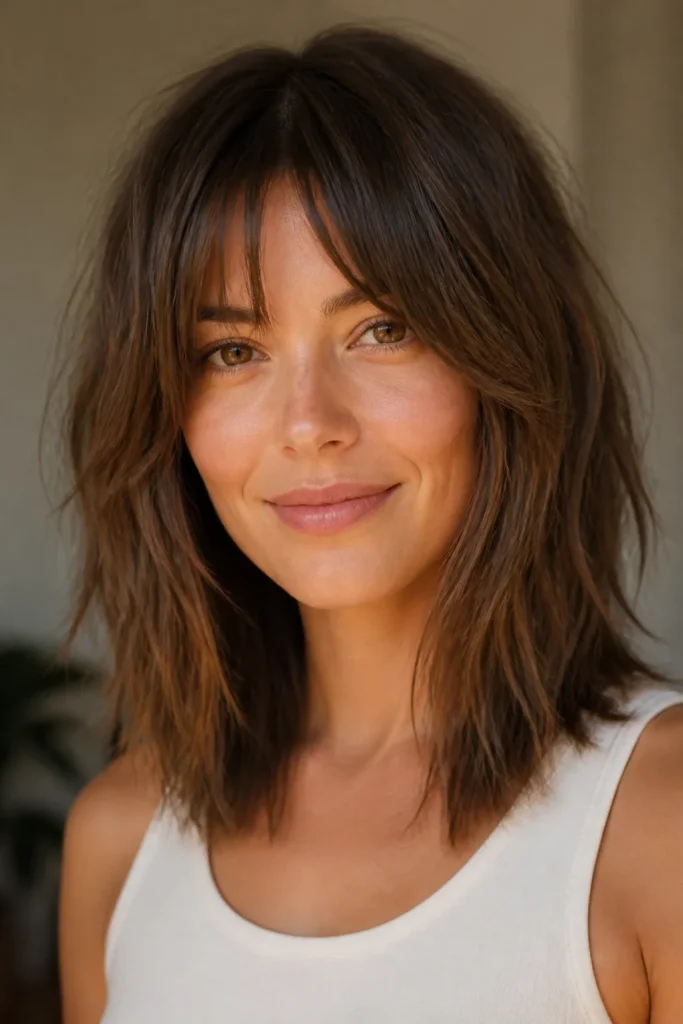
- Crown layers. Shorter pieces at the top build height and volume.
- Face-framing. Bangs or curtain fringe that blend seamlessly into the side layers.
- Texturized ends. Thinned with shears into piecey, lived-in tips.
Whether it suits your hair
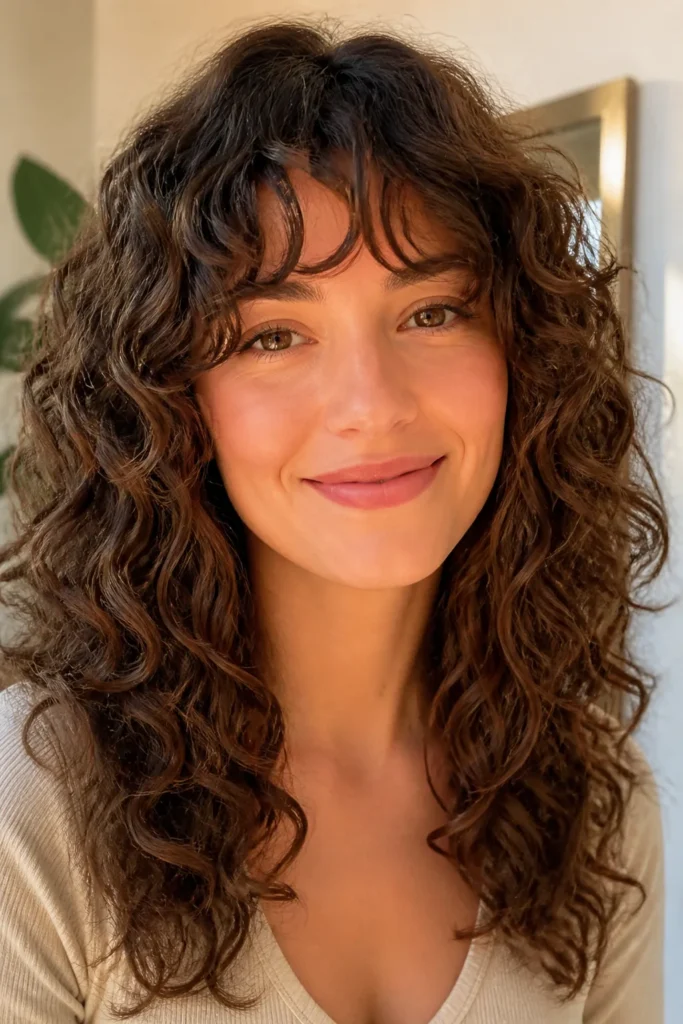
This is one of the more democratic cuts, but it does different jobs on different textures. On wavy hair it’s close to a perfect match: pulling weight out of the sides lets the waves spring up and stack without a curling iron. On curls, roughly 3A through 3C, layering the crown and sides breaks up the dreaded triangle shape and settles the curl into a rounder, more flattering halo. On fine, flat hair, the short crown layers manufacture the volume and root lift that straight fine hair naturally lacks. And on thick, coarse hair, the slide-cutting that creates a shag strips out bulk, so the whole thing feels lighter and behaves.

Styling it, which is mostly not styling it
The point of a shag is that it looks best air-dried and rumpled, so the routine is short:
- On damp hair, scrunch gently with a microfiber towel to lose the excess water without roughing up the cuticle.
- Mix a dime of leave-in cream with a couple of spritzes of sea salt spray in your palms and rake it through the mid-lengths.
- Twist random one-inch sections around your finger to coax the waves into clumps.
- Let it air-dry completely, hands off, because touching it while it dries is what creates frizz.
- Once it’s fully dry, flip your head over and mist the roots with dry texture spray for grit and lift.
If you’d rather blow-dry, a diffuser enhances natural waves, and drying the roots upside down maxes out crown volume. Either way, finish with a little texture spray to separate the layers.
Which shag
There’s more than one, and they land quite differently.
| Variation | Signature | Best face shape | Difficulty |
|---|---|---|---|
| Shaggy bob (shob) | Chin-length with crown layers | Oval and heart | Very easy |
| Wolf cut shag | Dramatic short-to-long contrast | Square and angular | Easy |
| Curly shag | Round halo with bangs | Round and oval | Easy |
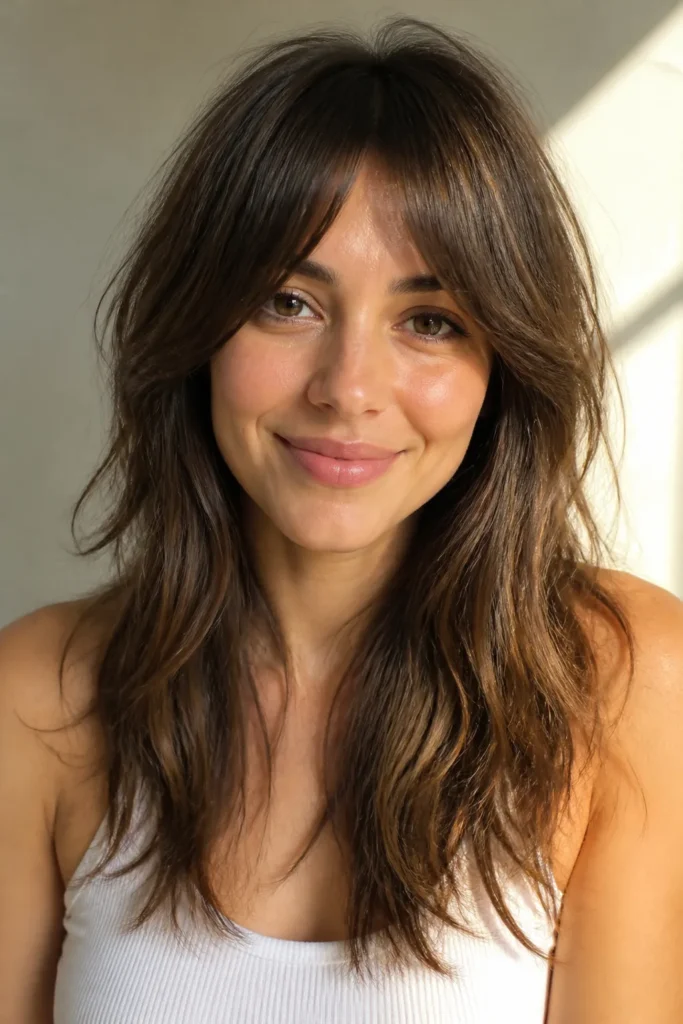
| Long boho shag | Waist-length, heavy framing | Long and diamond | Moderate |
Keeping it looking right
A few habits protect the cut between salon visits. Don’t over-brush, because a brush drags dry wave clumps apart into a frizzy cloud; use fingers or a wide-tooth comb on dry hair. Keep the bangs trimmed, since the shag leans so hard on curtain fringe or a bottleneck bang, every four to five weeks keeps the frame intact. And if your hair is straight, sleep in two loose braids to wake up with the bohemian texture the cut wants.
Plan on a shape-up every six to eight weeks, with a quick fringe trim in between if your bangs reach your eyes fast. If you like the layered idea but want something more polished and voluminous, the butterfly haircut is the glossier cousin, and either one pairs naturally with well-styled curtain bangs.
Frequently Asked Questions
Is the shag haircut easy to grow out?
Yes. Because layers are point-cut and feathered rather than cut into blunt shelves, the shag transitions smoothly into long bohemian layers as it grows.
Can you wear a modern shag with very straight hair?
Yes, but straight hair requires texturizing spray, dry shampoo, or sea salt mist to add grit and keep interior layers from lying completely flat.
What is the difference between a wolf cut and a modern shag?
A wolf cut has more extreme, disconnected crown layers and a pronounced tapered mullet-like tail. The modern shag is softer, more blended, and far more wearable in professional environments.
Do I have to get bangs with a shag haircut?
While curtain or bottleneck bangs are iconic to the shag silhouette, you can opt for cheek-length side layers if you prefer keeping your forehead clear.
Additional Details
- Description: Thinking of taking the plunge? Explore the modern shag haircut, its layered versatility, and how to style it for a textured look.
- Published: 2025-12-12T00:00:00.000Z
- Updated: 2026-09-07T00:00:00.000Z
Images
- (none listed)