
📌 At a Glance (Key Takeaways)
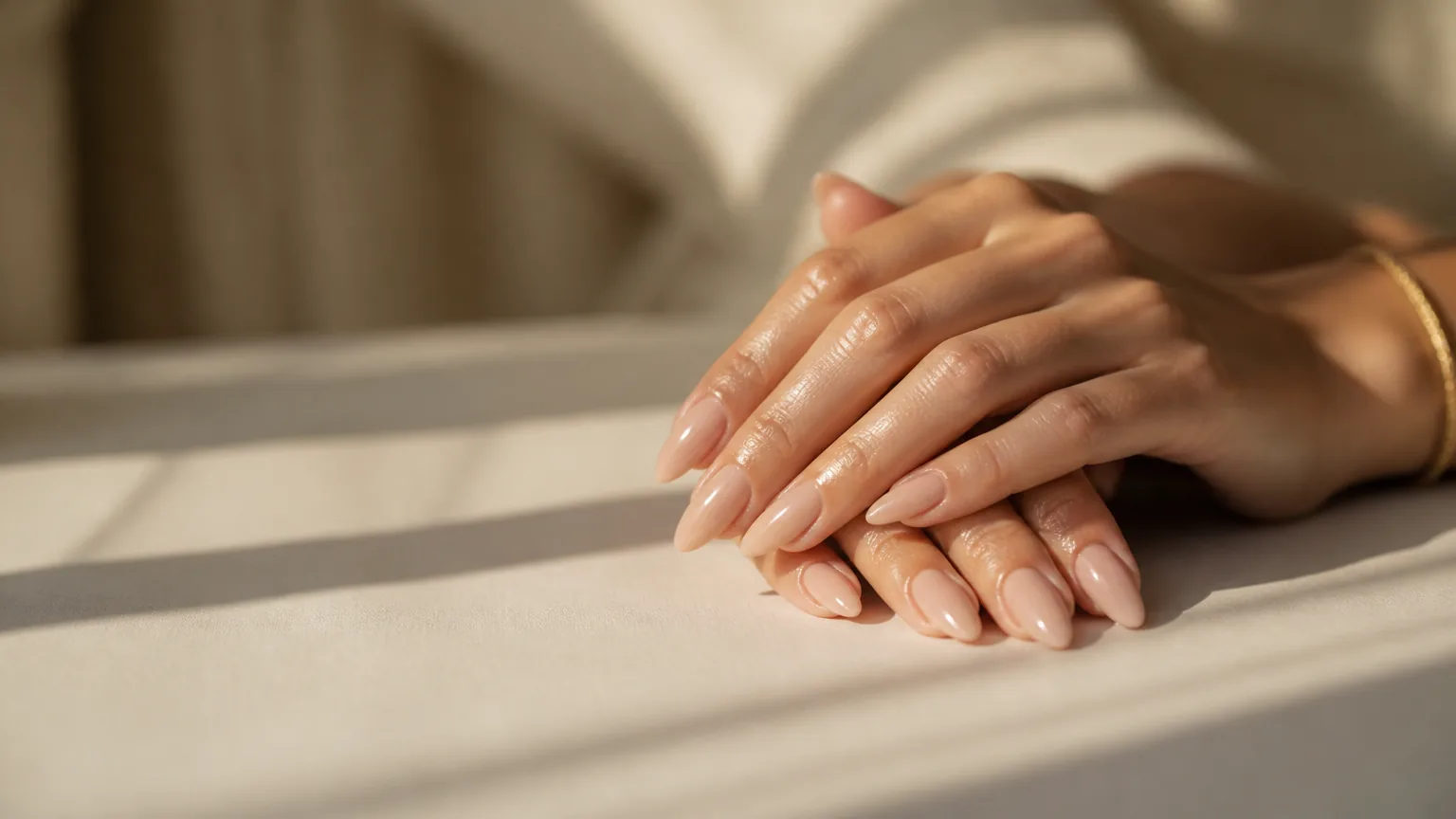
- Modern acrylic manicures favor natural medium lengths, almond silhouettes, and lightweight sculpting.
- 3D chrome accents, milky ombré, and aura designs dominate current salon requests.
- Proper apex construction ensures structural integrity without unnatural bulkiness.
- Regular infills every 2 to 3 weeks maintain nail bed balance and prevent lifting.
The idea that acrylics ruin your nails is stubborn, and mostly wrong. Acrylic itself doesn’t damage the nail underneath. Bad application, skipped fills, and prying them off do. Plenty of people wear acrylics for years with healthy nails under them because they get them done properly and take them off properly. So before writing them off, it’s worth knowing what modern acrylics actually look like, because they’re a long way from the thick, sharp talons the reputation is based on.
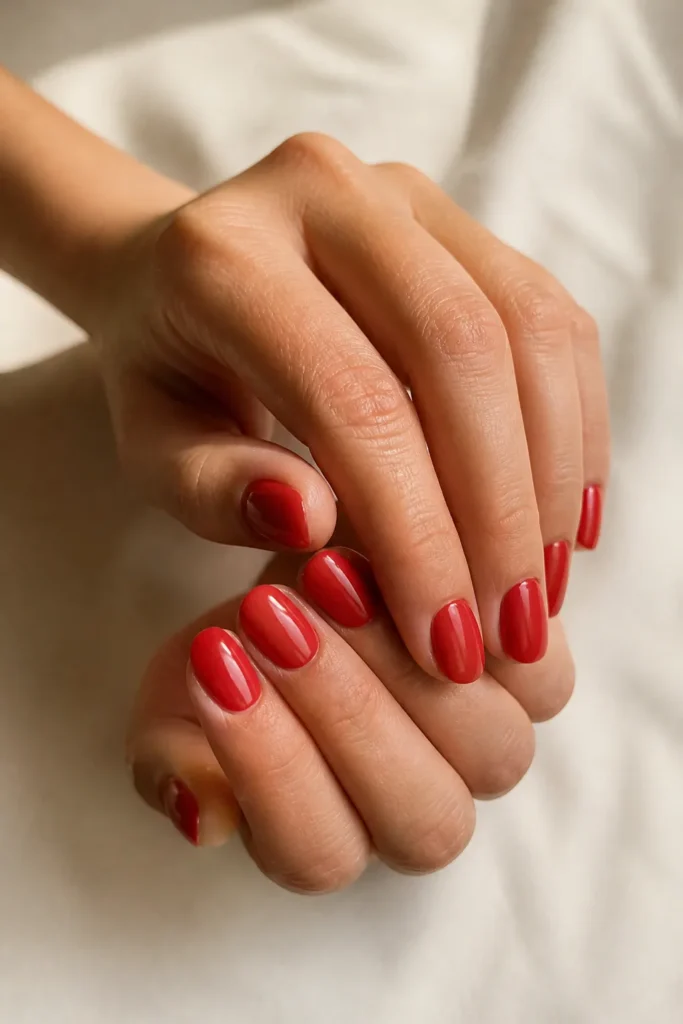
That old look is gone from good salons. Acrylic is a sculpting medium, made by combining liquid monomer and powdered polymer, and technicians now use it to build thin, contoured enhancements that follow the natural curve of the nail rather than sitting on top like armor. Flush at the cuticle, balanced at the apex, weeks of strength without straining the nail beneath. The material didn’t change so much as the taste did.
Picking a shape
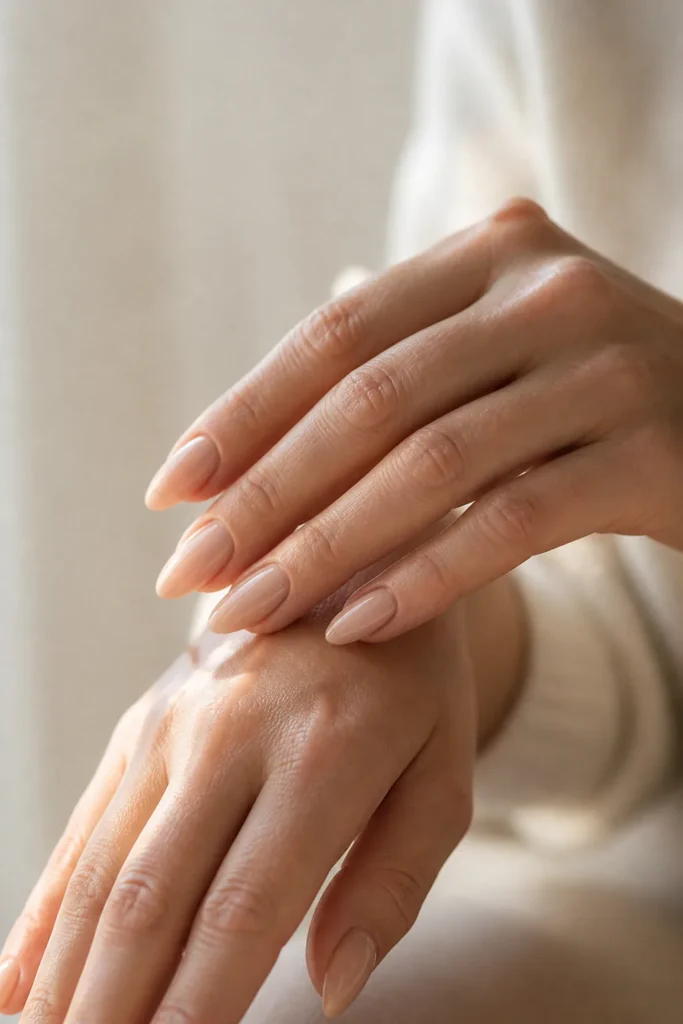
Shape is the foundation, and it affects durability as much as looks. A well-chosen shape can lengthen the hand and hold up to daily life; the wrong one snags and snaps.
- Almond is the strongest of the tapered shapes. It narrows to a soft rounded point and distributes stress evenly down the nail, so it’s both flattering and resilient. A good default.
- Squoval blends a flat top with rounded corners. It’s the most practical shape going, easy to type with and slow to snag, which is why it wears so well.
- Coffin (ballerina) has straight tapered sides and a flat tip. Bold and modern, with a big flat canvas for art, though the corners can catch.
- Square is clean and architectural, best on longer nail beds.
- Stiletto tapers to a fine point. High-fashion, high-maintenance, and delicate at the tip; not the one to choose if you’re rough on your hands.
Here’s how they compare where it counts:
| Shape | Durability | Everyday practicality | Upkeep |
|---|---|---|---|
| Almond | Highest | High | Moderate |
| Squoval | Very high | Highest | Low |
| Coffin | High | Moderate | High |
| Square | Strong | High | Low–moderate |
| Stiletto | Delicate tip | Low | Very high |
What people are actually asking for
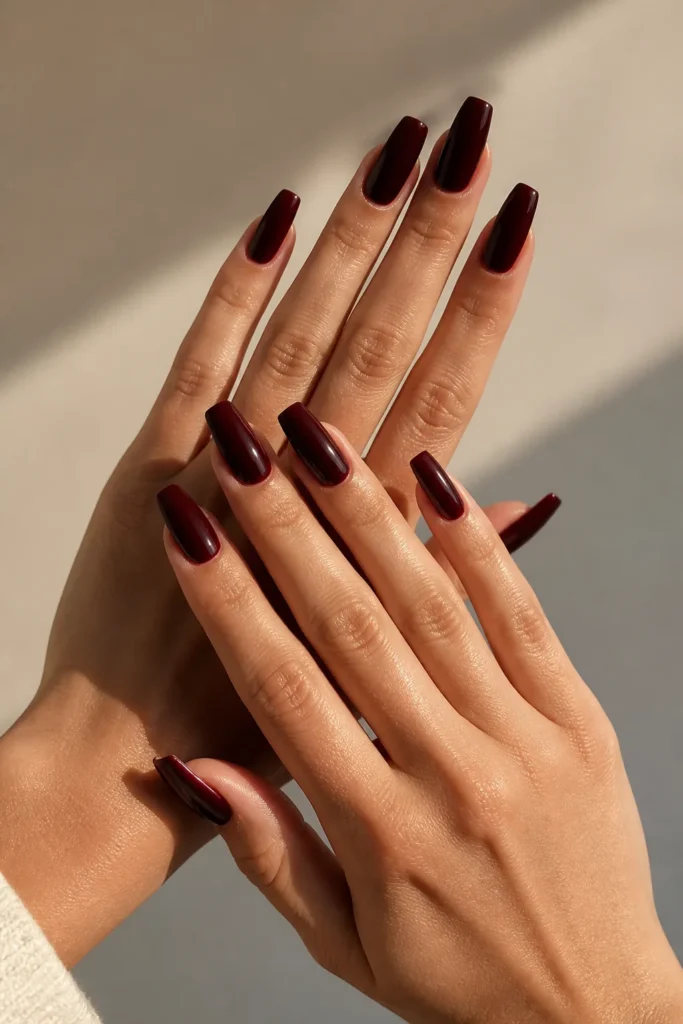
The art has moved toward texture and dimension rather than flat color. A few directions keep coming up.
The natural almond with a sculpted translucent blush base is the perennial request, and for good reason: it’s the most resilient shape with a universally lengthening line. Beyond that, a semi-sheer milky base with raised 3D builder-gel swirls coated in liquid chrome gives a futuristic, catch-the-light finish. Airbrushed aura gradients, a soft diffused glow blooming from the center of each nail, still feel genuinely modern and dreamy. Short tapered coffin at a practical length gives the architectural edge without sacrificing the ability to use your hands. And velvet magnetic cat-eye overlays, where iron-particle gel is dragged with a magnet, shift under light like crushed velvet.
If you’re planning acrylics for an event, our Wedding Nails Guide shows how these shapes translate into bridal looks.
Keeping your natural nails healthy underneath
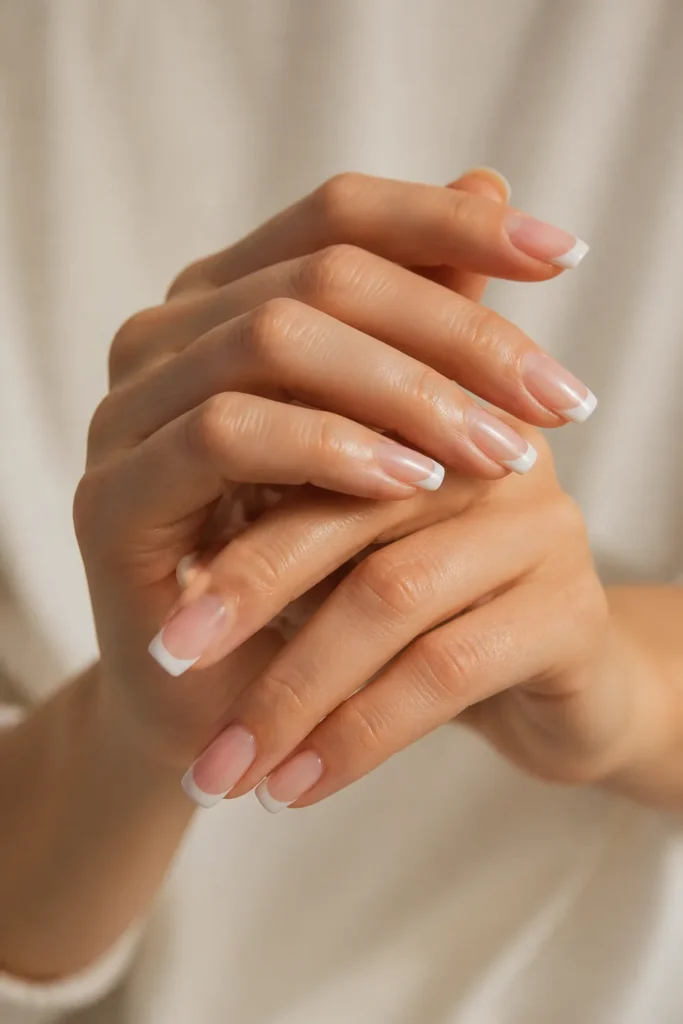
This is the part that determines whether acrylics are fine or a disaster, so it’s worth being specific.
Book your infills every two to three weeks. As your nail grows, the reinforced apex creeps toward the tip, and once it’s out past the fingertip a small knock can snap the enhancement and tear the natural nail with it. Staying on schedule keeps the strong point where it belongs.
Never pry a lifting nail off. If one starts to lift, leave it and have it soaked off professionally; pulling it takes the top layers of your natural nail along for the ride. Oil your cuticles twice a day, because acrylic needs a flexible, hydrated nail underneath to bond to, and dry nails separate. And wear gloves for cleaning, since bleach and harsh dish soap degrade the polymer and leave it brittle and discolored.
The removal rule deserves repeating because it’s where most of the “acrylics wrecked my nails” stories actually come from. Acetone soak, patience, gentle nudging, never force. Do that and the nail underneath comes out intact.
A couple of everyday habits protect the set between visits: don’t use your nails to open cans or scrape labels, since that force lands right on the lateral walls and cracks the seal, and give fresh enhancements a couple of hours before long hot-water exposure so the bond fully sets.
If your natural nails already feel thin from a previous set, don’t just pile on more acrylic. Our guide to How to Strengthen Natural Nails covers how to rebuild them first, so your next set has something solid to sit on.
Frequently Asked Questions
How long do acrylic nails last between salon visits?
A well-applied set of acrylics lasts 2 to 3 weeks before requiring an infill (filling the new growth gap at the cuticle). A complete fresh set should typically be replaced every 3 to 4 months.
Do acrylic nails ruin your natural nails permanently?
No. Acrylic itself does not damage nail keratin. Nail damage is almost entirely caused by improper prep (over-drilling the natural nail with an e-file) or forceful ripping off during removal.
What is the difference between acrylic and builder gel (BIAB)?
Acrylic is a two-part powder-and-liquid system that cures via chemical reaction, creating a rigid structure. Builder gel is an oligomer that cures under UV/LED lamps, offering slightly more flexibility and a gentler soak-off process.
Can I type on a computer keyboard with acrylic nails?
Yes! Medium almond and short squoval shapes are typing-friendly. Train yourself to type with the pads of your fingers rather than tapping nail tips directly against keycaps.
Additional Details
- Description: Acrylics offer a creative canvas that gel and regular polish simply cannot match. These are the acrylic trends setting the tone for 2026.
- Published: 2026-05-31T00:00:00.000Z
- Updated: 2026-09-07T00:00:00.000Z
Images
- (none listed)